
Galaxy S26 Ultra vs iPhone 18 Pro Max: Which Should You Buy?
Compare Galaxy S26 Ultra and iPhone 18 Pro Max cameras, displays, charging, software and ownership costs, with sourced specs and practical buying advice.
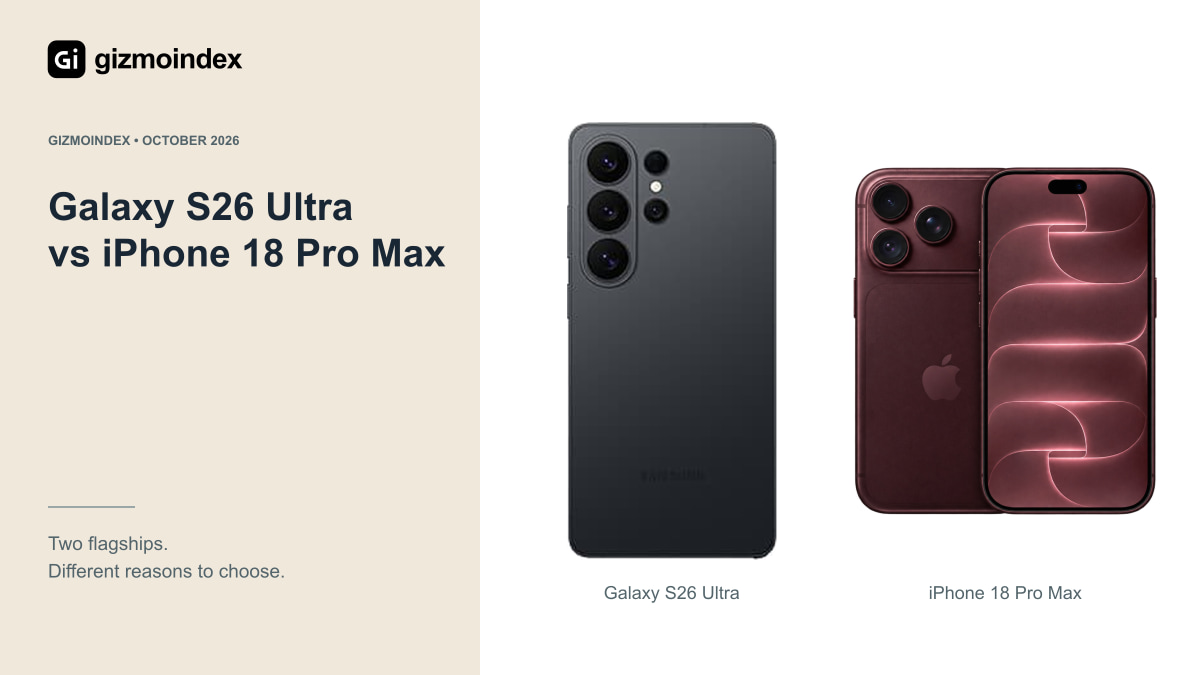
Galaxy S26 Ultra or iPhone 18 Pro Max? Both give you a large premium phone, but I’d choose between them by the features I’d use every day. The Samsung has the S Pen and its own display features. The iPhone brings Apple’s camera tools and the apps that make an iPhone setup appealing.
I like having more options, but I wouldn’t pay this much just to win a specification comparison. In this guide, we’ll go through design, display, performance, cameras and battery to see which one makes more sense for your kind of use.
Design
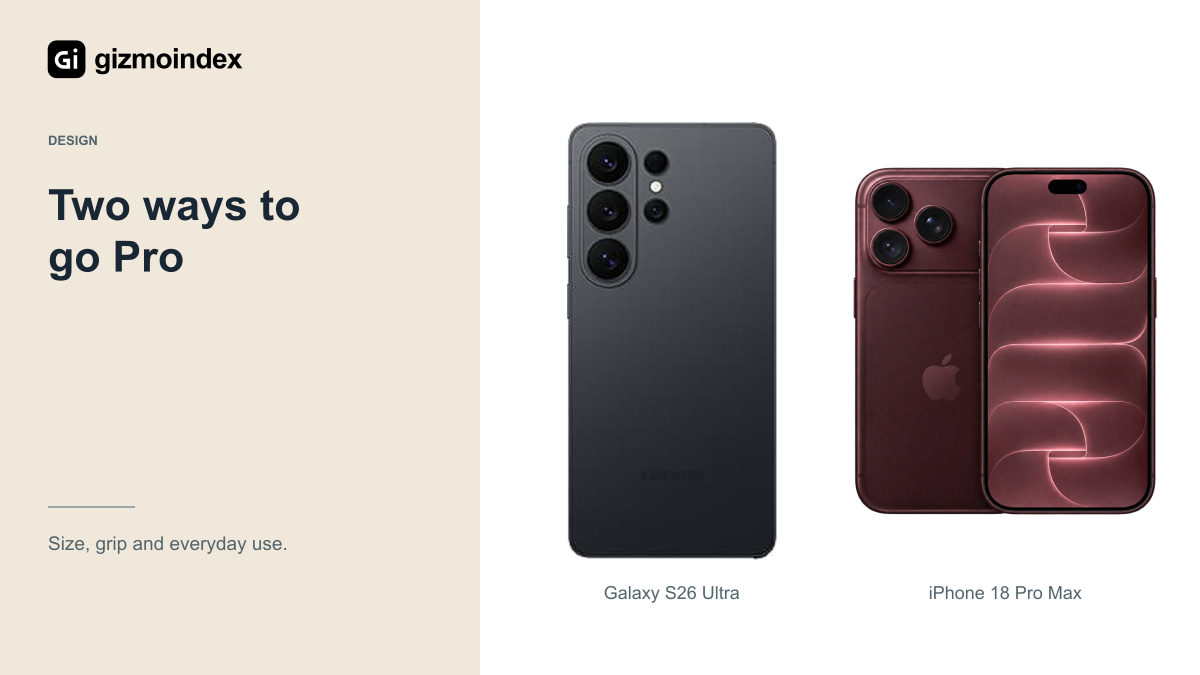
The first thing I’d look at is the weight. Samsung lists the S26 Ultra at 214g and 7.9mm thick. Apple’s Pro Max comes in at 249g and 8.75mm. If you already find big phones tiring to hold, that difference matters. Add a case and the feel can change again, so try the combination you intend to carry.
What I like about Samsung’s approach is the built-in S Pen. You can take handwritten notes, mark up a document or sketch without remembering another accessory. If those are things you regularly do, it has a purpose. If you never write on your phone, don’t let the pen decide an expensive purchase for you.
Both have IP68 ratings, but I’d still be careful around water. The rating applies to specified test conditions, and liquid damage can be excluded from the warranty. A repaired screen also deserves a check before you assume the original resistance is still there.
Display
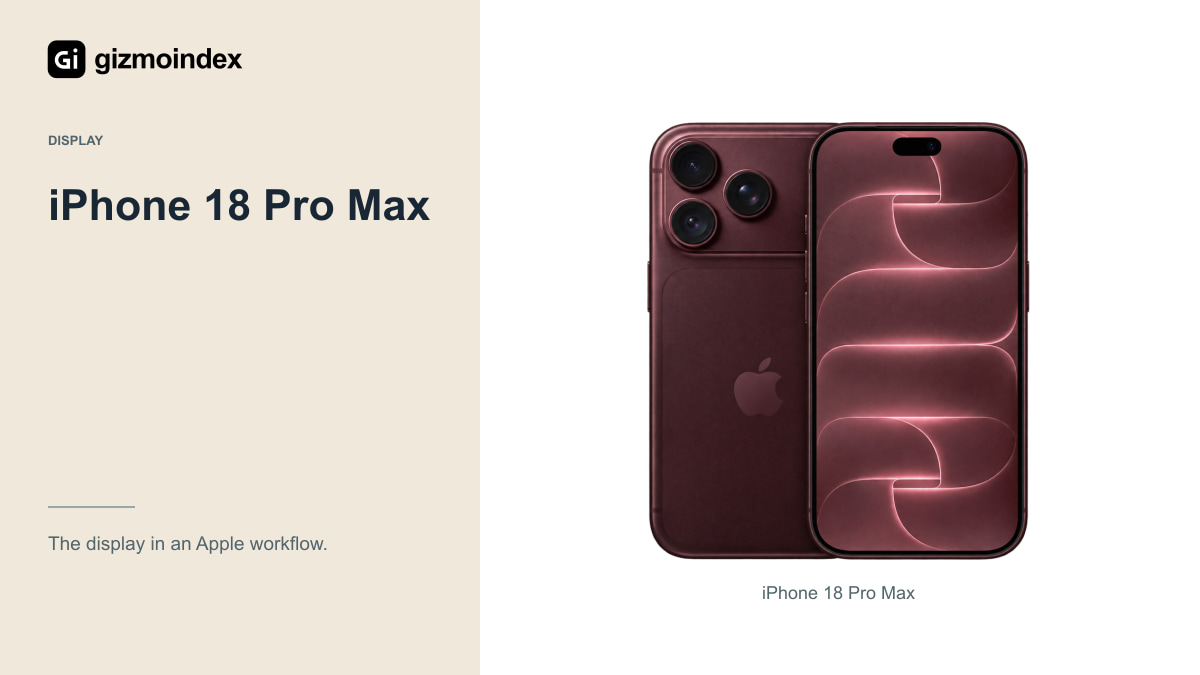
These are both large phones with 6.9-inch OLED displays and refresh rates up to 120Hz. Samsung gives you 3120 × 1440 resolution, while Apple lists 2868 × 1320. For normal reading, I’d pay as much attention to reflections and text size as that resolution difference.
Samsung’s Privacy Display is the feature that catches my attention here. It’s designed to make content harder to see from the side, including selected sensitive information. That could be useful on a train or in a shared office. Check the screen with it on and off, especially if you often show photos to someone beside you.
Apple advertises up to 3,000 nits outdoors, and Samsung quotes a 2,600-nit peak. Those figures use different conditions. You can’t subtract them and call the result an outdoor visibility win. A longer outdoor comparison would tell us more than a short brightness demonstration.
Performance
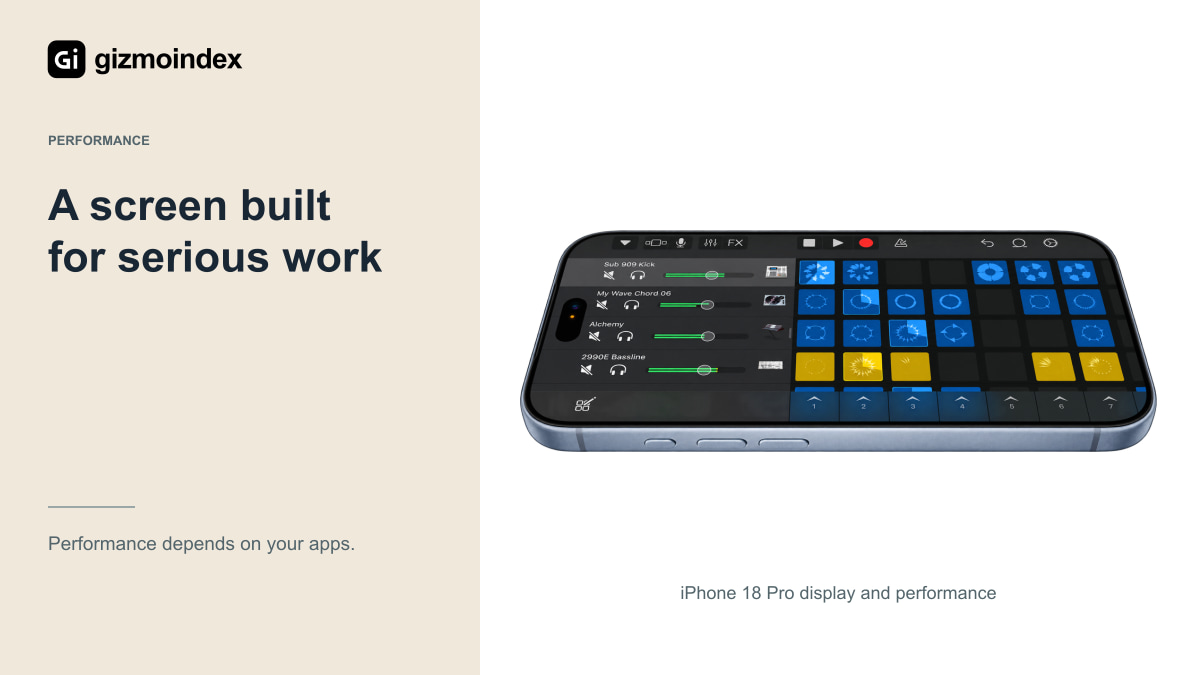
The S26 Ultra uses Snapdragon 8 Elite Gen 5 for Galaxy. The iPhone uses A20 Pro. Both are aimed at demanding apps, so I wouldn’t buy either just because its processor name sounds more powerful. If gaming matters to you, look at a full session in your favorite game, including the heat and frame-rate drops.
Storage is easier to compare. Samsung goes up to 1TB, while Apple offers up to 2TB. If you keep large video projects on your phone, that extra space could be useful. For messaging, streaming and ordinary photos, I’d work out my actual storage needs before paying for the biggest version. Remember to leave space for updates and app caches too.
Cameras
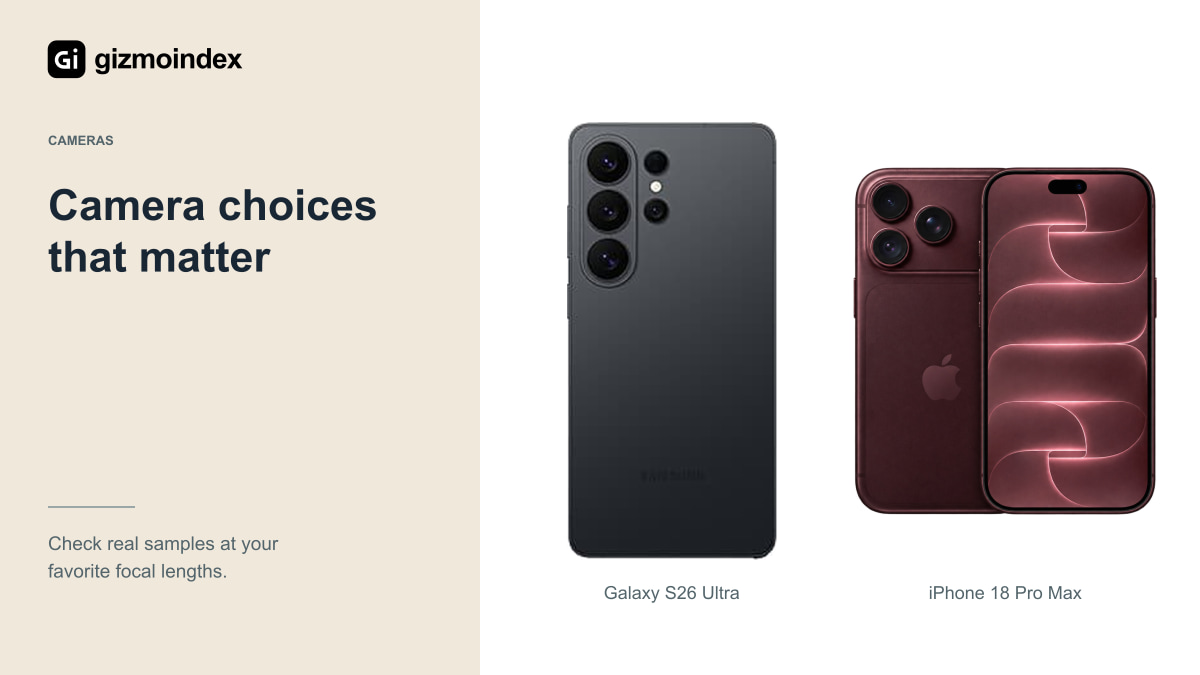
Samsung gives you a 200MP main camera, 50MP ultrawide, 10MP 3x telephoto and 50MP 5x telephoto. Apple’s system has 48MP main, ultrawide and 4x telephoto cameras, with a variable aperture on the main camera. Its advertised 8x optical-quality option is a sensor-based option, rather than another dedicated lens.
What matters to me is how those choices fit the photos you take. Samsung has dedicated 3x and 5x views. Apple offers aperture control and professional video formats for compatible editing setups. Neither arrangement tells us who handles a moving child or an indoor portrait better.
Before choosing, I’d compare full-resolution pictures of faces, movement and low light. For video, check file sizes, recording limits and whether your editor handles the format. A beautiful compressed clip on social media isn’t enough to settle a camera comparison at this price.
Battery and charging
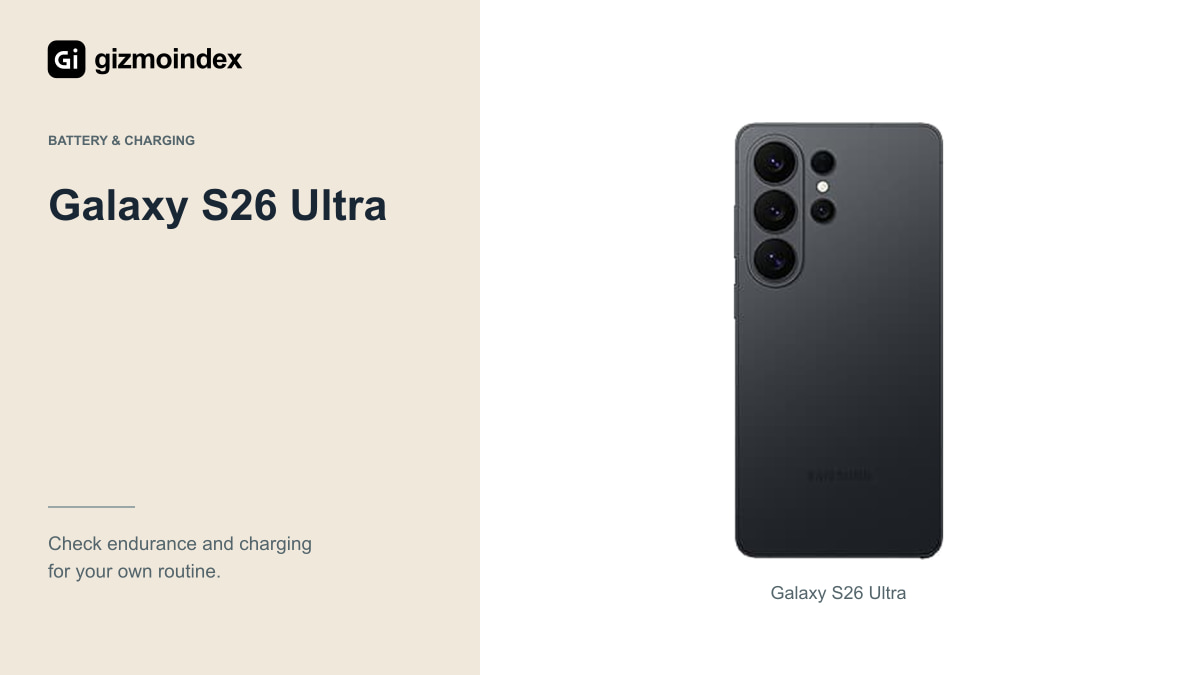
Samsung lists a 5,000mAh battery, up to 60W wired charging and 25W wireless charging. Apple gives battery estimates using its own playback tests and charging conditions. These are useful details, but they don’t tell us which phone lasts longer through navigation, calls, mobile data and gaming together.
Another thing to check is what you need to reach the advertised speed. The adapter, cable, charging pad and temperature all matter. The S26 Ultra doesn’t have built-in Qi2 alignment magnets, so you may need a suitable magnetic case for those accessories. Include that in the price rather than discover it after buying the phone.
Software and AI
Samsung promises seven years of OS and security updates from launch. That’s useful if you like keeping a phone for several years. Apple also supports iPhones for long periods, but its published approach isn’t the same fixed seven-year promise.
With AI, I’d check the exact feature rather than buy the general promise. Can the editing or assistant tool work in your language and region? Does it need a subscription? Is it available in the shipping software? A launch demonstration can look impressive while the particular feature you want still has restrictions.
Key differences at a glance
Here’s how I’d narrow the decision down before looking at prices.
| Priority | Galaxy S26 Ultra | iPhone 18 Pro Max |
|---|---|---|
| Handwriting | Integrated S Pen | Separate accessory/setup needed |
| Body weight | 214g | 249g |
| Dedicated telephoto views | 3x and 5x | 4x; additional sensor crops |
| Maximum storage | 1TB | 2TB |
| Existing ecosystem | Android and Galaxy integrations | iOS and Apple integrations |
These are practical differences, rather than scores. The lighter phone isn’t automatically the better camera phone, and more storage only helps if you need it.
Compare the full cost in your market
Compare the same storage tier and check the final unlocked price where you live. A US price can exclude sales tax, while another country’s price may include VAT. Trade-ins and monthly plans can make one offer look cheaper without lowering what you eventually pay.
Then add the things you’d need to replace. A charger and case are straightforward. A watch or paid app collection can make switching platforms more expensive. I wouldn’t count on a specific resale price years from now to make today’s purchase affordable.
Buying recommendation
I’d choose the Galaxy S26 Ultra if I wanted the S Pen, Samsung’s software and the extra flexibility of that setup. I’d choose the iPhone 18 Pro Max for Apple’s apps and camera tools, especially when they fitted the way I already worked.
I wouldn’t switch platforms for one feature I might use twice. A phone this expensive should make the ordinary parts of the day better too: taking a photo, reading, replying and getting through the day comfortably. Try the size, compare the real storage prices and include the accessories you need.
My recommendation is to pick the features you can explain a use for. Both are ambitious phones. The better buy is the one that fits your routine without making you pay again to rebuild a setup you already enjoy.