
Is the Galaxy S25 Worth Buying After the S26 Launch?
Is Galaxy S25 worth buying after S26? Compare the regular models by actual offers, size, condition, support and the features you need daily.
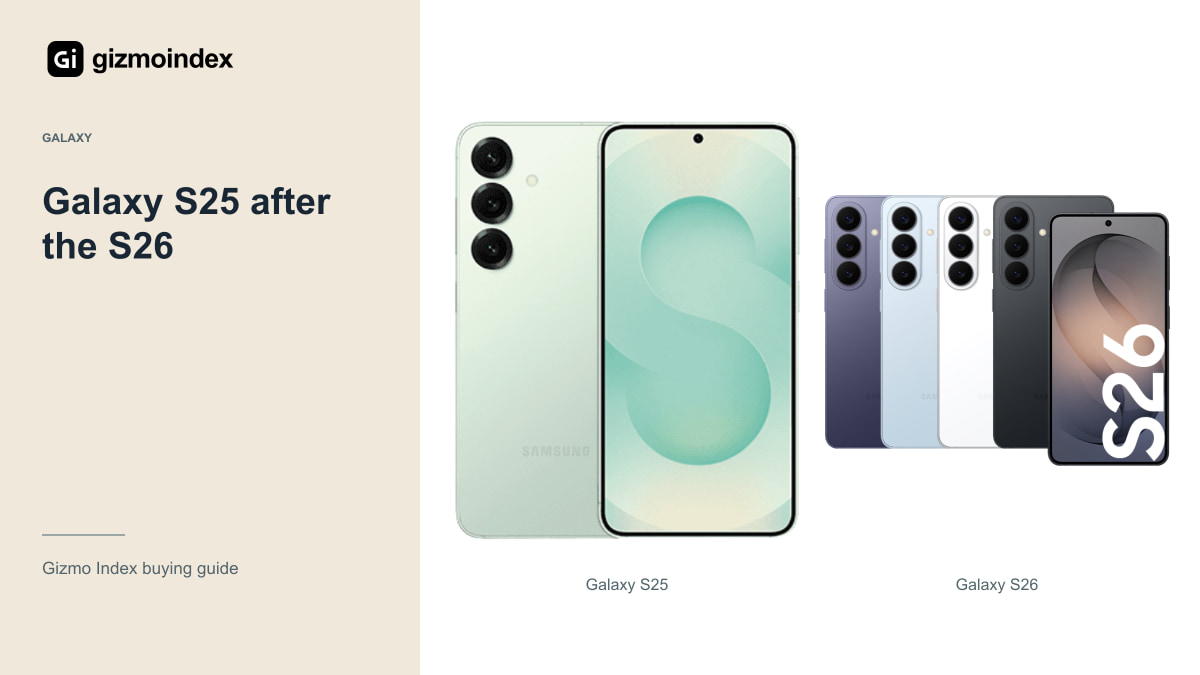
The Galaxy S25 doesn’t stop being worth buying because the S26 has arrived. If the older phone costs less and already gives you what you want, it can be the more sensible purchase. I’d compare the actual price gap before deciding how much the newer generation is worth.
This comparison is about the regular S25 and regular S26, rather than mixing either one with an Ultra. I like the idea of a smaller flagship for everyday use, but the right one depends on the screen size, useful features and condition. Here’s how I’d make that decision in 2026.
Galaxy S25 design
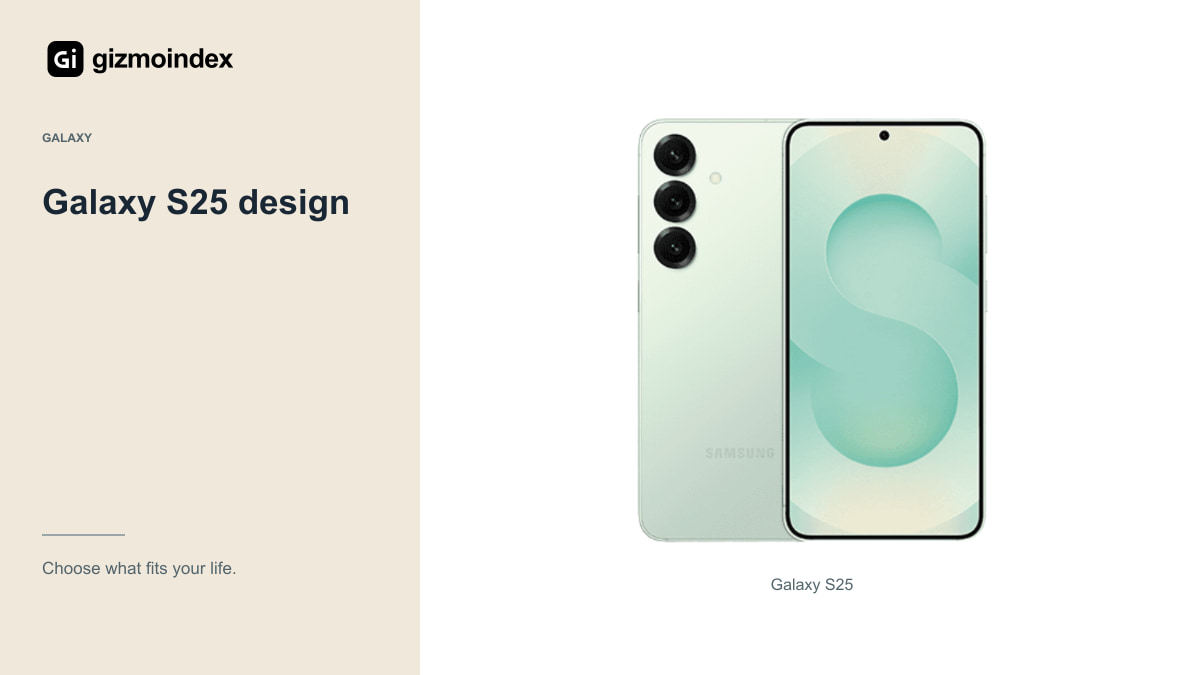
Samsung’s regular S25 has a 6.2-inch display, which is part of its appeal for buyers who don’t want a very large phone. A compact flagship can be easier to carry and use with one hand. That benefit is personal, so try the device rather than assuming smaller is always better.
I’d consider it for someone who wants Samsung’s flagship software and hardware experience in a manageable size. Check the specific apps and capabilities you need today. A model being older doesn’t prevent it from doing ordinary work well, but a product-tier label doesn’t prove every setup suits it either.
The key question is what you give up by choosing it over the S26. If the differences don’t affect your use and the saving is substantial, the older model may be a sensible buy. If the price gap is tiny, the current model is worth a look.
A smaller flagship can be enjoyable for the simple reason that it’s easier to carry and use in one hand. I wouldn’t give that up automatically for a slightly larger screen. Try the size with a case and think about your normal use. Comfort is a feature you’ll notice every time you take the phone out.
Compared with Galaxy S26
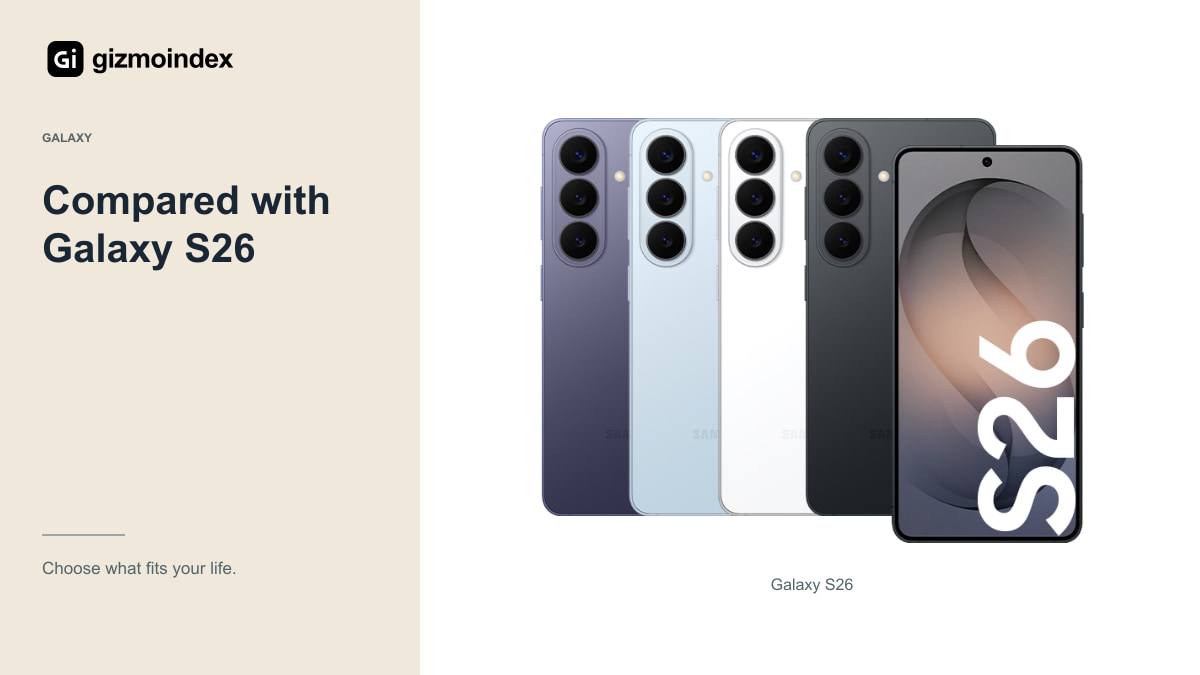
Samsung identifies a 6.3-inch display for the regular S26, making it slightly different in size from the S25. Don’t borrow the Ultra’s screen, camera or S Pen specifications for this phone. Check the exact regional hardware and current product page for the model you can actually buy.
The newer generation can be attractive for its current capabilities and later starting point in the product lifecycle. That isn’t a reason to assume every advertised feature is available in every language, region or account setup. Verify the function you want before using it to justify a premium.
I’d also compare the in-hand design and the complete storage configuration. A small diagonal change can feel different once a case is added. The useful upgrade is the one you notice in daily handling or work, not simply the newer number on the box.
Price and condition
Use the same storage and connectivity where possible, and keep new, refurbished and used stock separate. A cheaper used S25 with a worn battery isn’t directly equivalent to a new S26 with a clear warranty. The condition difference needs to be reflected in your calculation.
Add delivery, charger and any necessary accessories. Check trade-in conditions carefully if an advertised price depends on giving up another phone. A headline after-trade-in figure isn’t the amount every buyer can pay, and a financing plan can have its own requirements.
I’d request a written final quote and warranty details for both. Once you know the complete amounts, ask whether the S26’s specific advantages are worth the difference to you. That’s a more useful decision than assuming an older generation is always the bargain.
Cameras
Take the types of pictures you normally need: a face indoors, a moving person, a landscape or a distant detail. Compare saved files where possible rather than judging only from the live view. Processing preferences and lighting can matter as much as a headline camera number.
Don’t assume a new phone wins every scene, and don’t assume similar specifications mean identical results. Look for properly matched sample comparisons or test the actual devices during the return period. Claims about camera superiority should be supported by evidence, not used to fill a generation comparison.
For video, check recording modes, stabilisation and microphone behaviour with the apps you use. A native camera capability may not appear in a social app in the same way. The phone should suit your complete recording and editing process rather than one impressive format label.
Battery and charging
An older phone’s battery condition can decide whether it feels like a good purchase. Manufacturer launch figures don’t describe the remaining endurance of a used example. Test charging, consider available diagnostics and include a replacement allowance if the condition suggests it may be needed.
Even with new devices, capacity and maximum playback claims don’t establish your exact day of use. Calls, mobile reception, screen brightness and demanding applications change power consumption. I’d look for relevant tests and plan around the way you actually use a phone.
Check the charging accessories included in the specific offer. A USB-C connector doesn’t mean every charger delivers the same performance. If you want wireless charging or a specific desk setup, verify compatibility and the required accessories before making it part of the value argument.
Software updates
Samsung’s published support commitments and current security scope are the right reference points. Buying an S25 in 2026 doesn’t restart its original lifecycle. A newer S26 naturally belongs to a later generation, but that doesn’t make an invented exact future cutoff a useful buying argument.
Check essential applications and the features you want on the current software. Some capabilities depend on hardware, language, region or a compatible service. Don’t pay for a function you only assume will arrive later, and don’t assume an older phone gains everything through an update.
If you plan to keep the phone for several years, weigh the remaining support alongside battery health and repair availability. Longevity is a combination of those factors. A long software commitment is helpful, but a damaged device or inaccessible repair route can still make an offer unsuitable.
Is it worth buying
I’d buy the S25 if I liked its size and it offered a worthwhile saving in good condition. It still gives you the Samsung flagship experience in a relatively compact body. I’d move to the S26 when the extra money was modest or a specific new feature improved something I did regularly.
I wouldn’t replace a healthy S25 simply because a newer phone was on sale. If the screen, cameras and battery already worked well for my day, keeping it would be the best value of all. The upgrade needs a reason beyond the number on the box.
My advice is to compare the same storage and similar condition, then look at the total cost. The S25 remains worth considering after the S26 launch. Its price has to make sense, and the saving should still be there after any battery work or accessories the older offer needs.