
Best Budget Android Phones Around $200 in 2026
Five budget Android phones around USD 200 compared by storage, screen, charging and support, with clear US pricing and regional availability caveats.
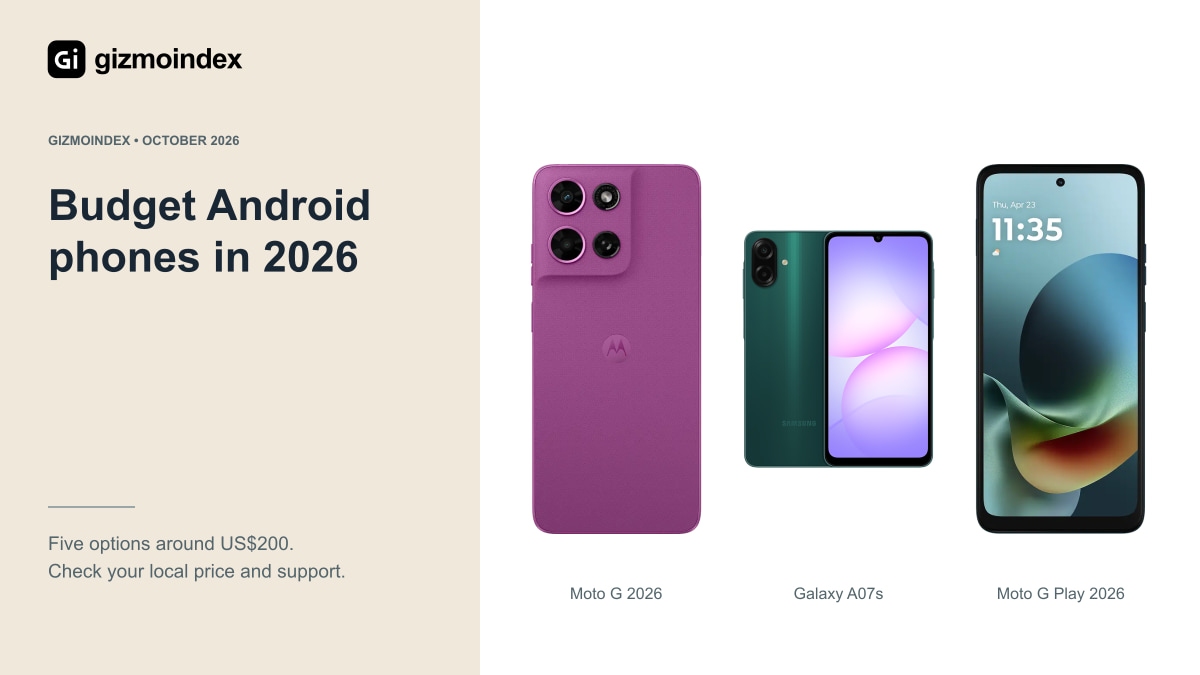
A budget Android phone doesn’t need to do everything. It needs to handle calls, messages, your normal apps and enough battery use without making daily life frustrating. Around $200, I’d choose those basics before paying attention to a camera number or a dramatic product name.
This shortlist compares Motorola, Samsung, Redmi and Infinix options with their different strengths kept clear. Prices and versions vary by market, so the exact offer matters. Here’s where I’d spend the budget, what I’d compromise on and what I’d want to get right from the start.
1. Motorola Moto G (2026)
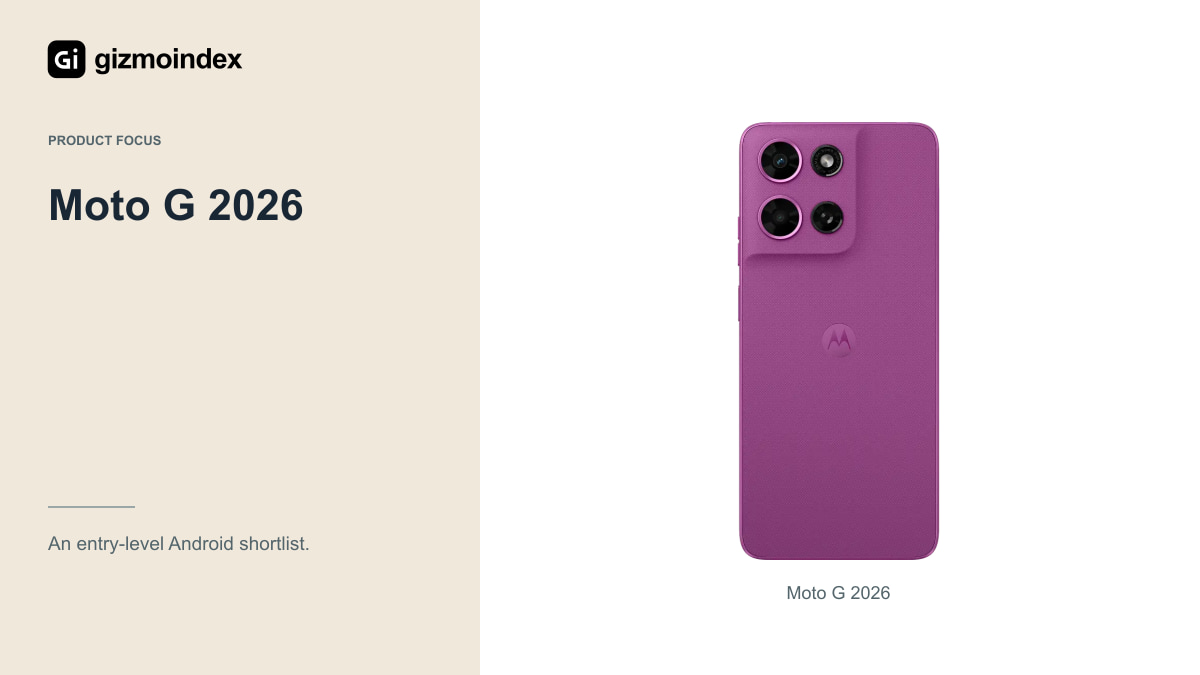
The regular Moto G 2026 is a sensible place to start in the US. Its launch price was USD 199.99, with a 6.7-inch 120Hz display, Dimensity 6300, 5G and a 5,200mAh battery. Charging goes up to 30W. The 128GB storage is one of the details I’d value at this price.
You get 4GB of physical RAM, so I’d keep expectations realistic about switching between several large apps. The cameras are listed at 50MP on the back and 32MP on the front. Check indoor and moving-subject samples before choosing on those numbers. Compared with the cheaper Play, the extra storage and charging speed are reasons to consider spending the difference.
2. Samsung Galaxy A07s
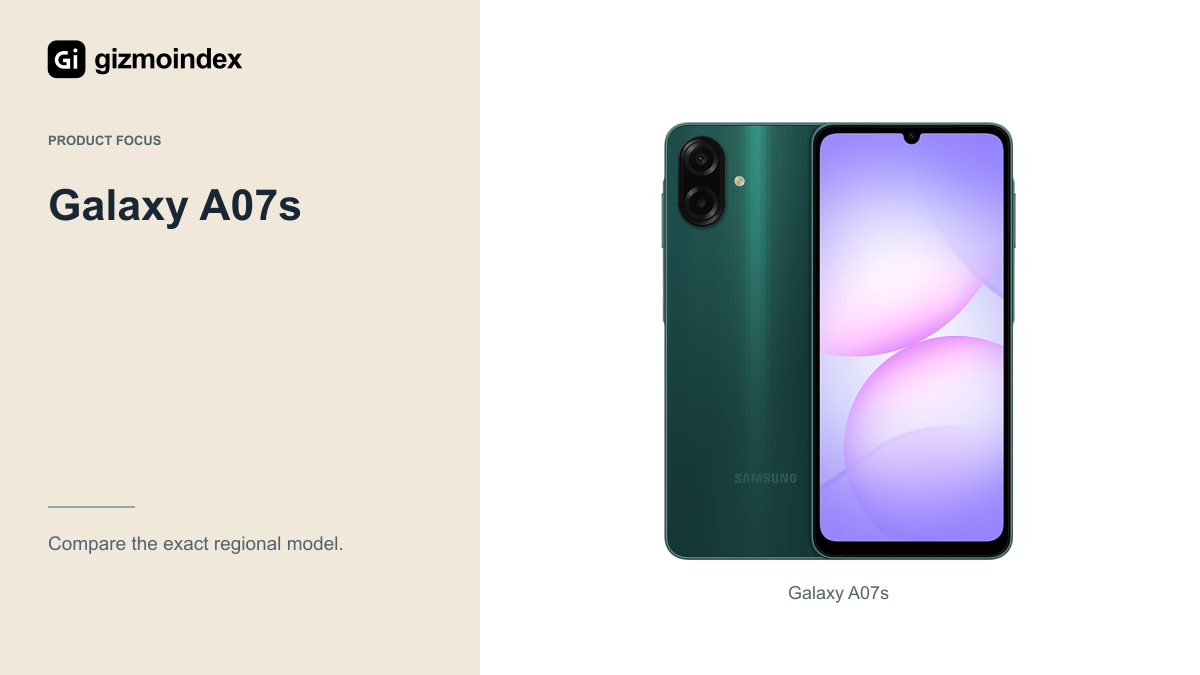
The Galaxy A07s draws my attention for its published support commitment: six generations of OS upgrades and six years of security updates. If you keep phones for a long time, that deserves a look. Remember that the period starts at launch, not when you eventually buy one.
Samsung lists a 6.7-inch 90Hz HD+ screen, G99+ processor, 5,000mAh battery, 25W charging and a 50MP main camera. I’d be cautious about the base 64GB version if you install lots of apps. A memory card can help with media, but it doesn’t solve every app-storage limit. Compare its local price and warranty, because this is a regional option rather than a guaranteed sub-$200 US deal.
3. Xiaomi Redmi 15C 5G
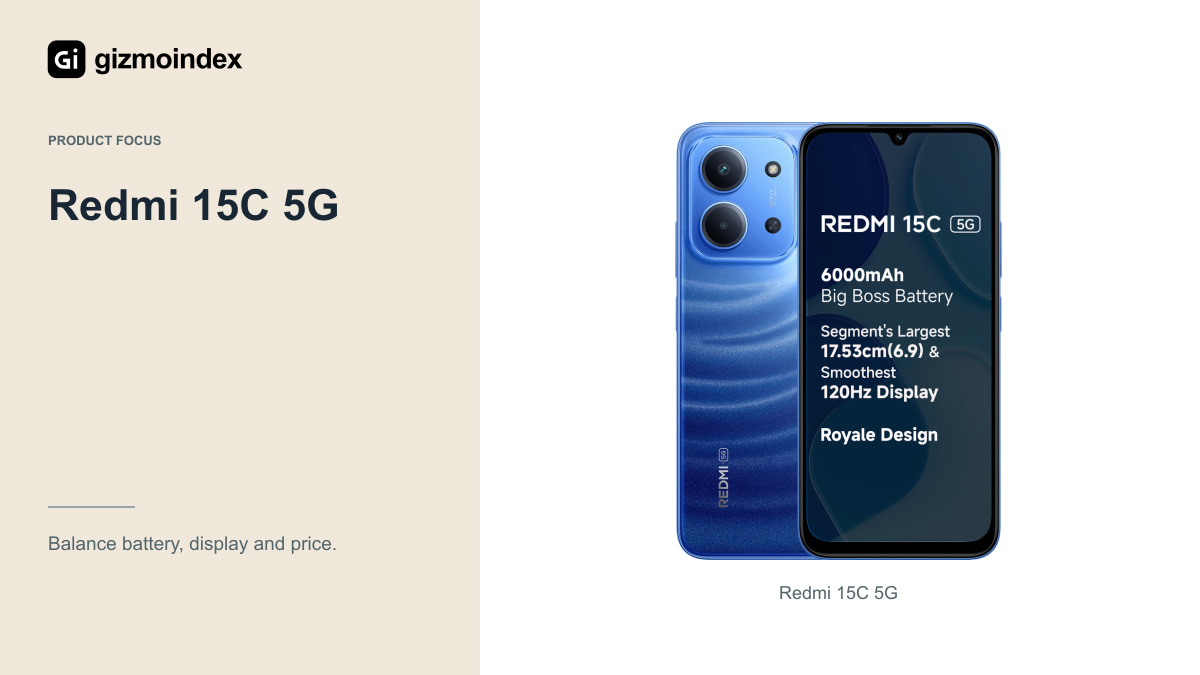
If you like a big screen, the Redmi 15C 5G offers a 6.9-inch 120Hz HD+ display. It uses Dimensity 6300 and has a 6,000mAh battery with up to 33W charging. Xiaomi also specifies up to 10W reverse charging, provided the connected equipment supports the setup.
What I’d check first is small text on that large HD+ panel. A high refresh rate helps motion, but it doesn’t increase resolution. The battery capacity looks promising, though real endurance still needs a proper test. Also check the exact version for bands, NFC, internal storage and the charger included in the box. Those details can change between regional listings.
4. Infinix Hot 60 Pro+
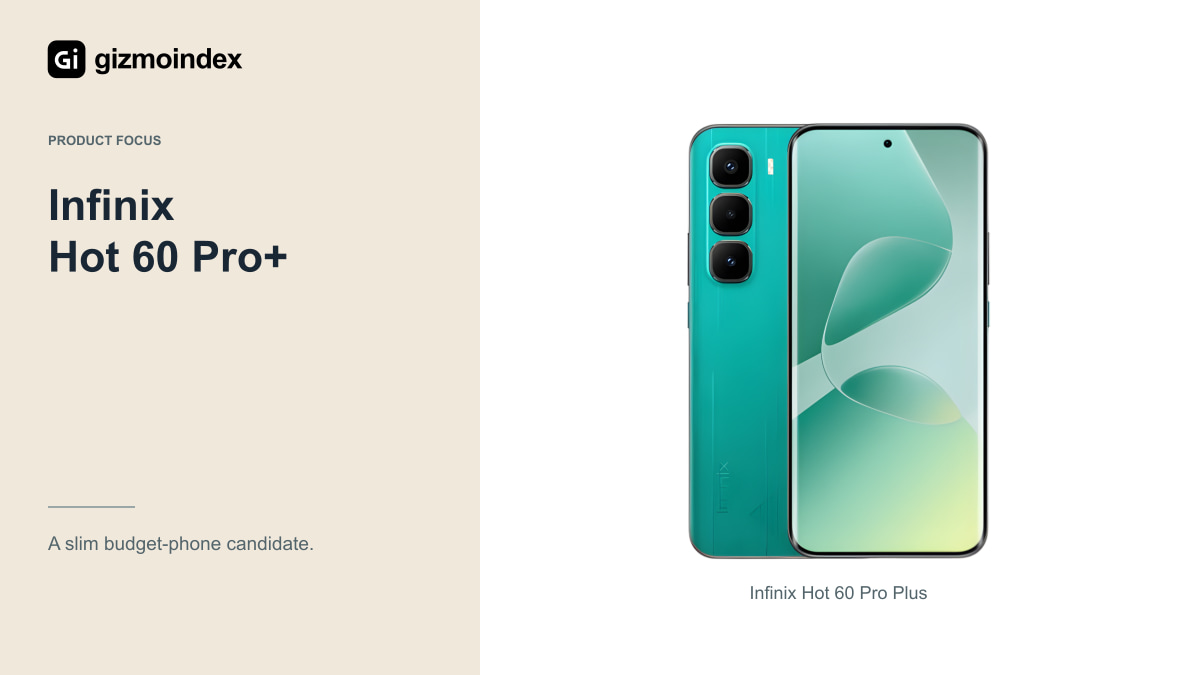
The HOT 60 Pro+ stands out for a thin 5.95mm body and 155g weight. It also lists a 6.78-inch 1.5K 144Hz AMOLED display, Helio G200, a 5,160mAh battery and 45W charging. The main camera uses a 50MP Sony IMX882 sensor.
The catch is that this one is a 4G phone. That may be perfectly acceptable for your coverage and usage, but it should be a deliberate choice. Also try the curved screen for reflections, grip and accidental touches. It belongs on this list only where the local price fits the budget. Import charges and awkward returns can remove the appeal of an apparently cheap online offer.
5. Motorola Moto G Play (2026)
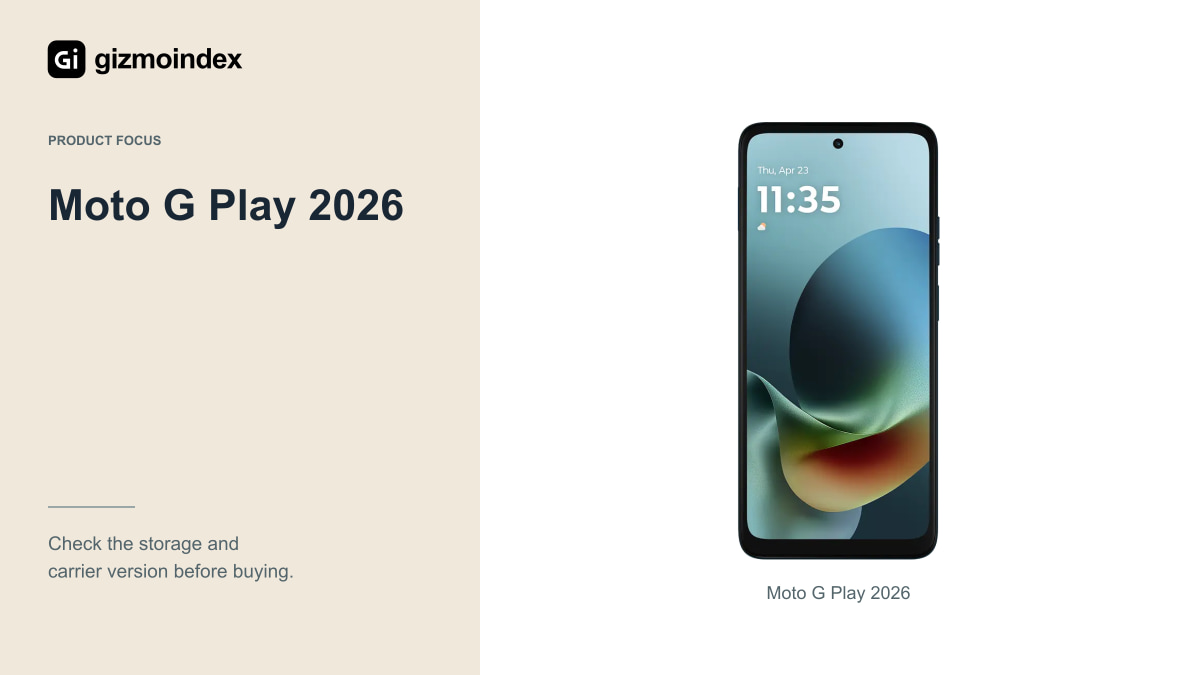
At its USD 169.99 US launch starting price, the Moto G Play 2026 saves money over the regular Moto G. It still uses Dimensity 6300 and a 5,200mAh battery, but charging tops out at 18W. The listed cameras are 32MP rear and 8MP front, and the base storage is 64GB.
I’d consider it for calls, messages, navigation and lighter use. Before saving the money, think about how quickly that storage could fill up. Compare the regular Moto G’s 128GB and faster charging at the actual local price gap. With a carrier promotion, check activation and plan costs too. A cheaper phone can become the more expensive purchase once the service bill is included.
What to look for in a budget phone
Storage and physical RAM would be high on my list. Some advertised RAM totals combine actual memory with storage-based expansion. That isn’t the same as having that amount of fast physical RAM installed. Read the specification carefully, and consider 128GB or more internal storage if you keep several apps and plenty of media.
The display needs a closer look as well. A 120Hz screen can scroll smoothly and still show softer text than a higher-resolution panel. AMOLED doesn’t automatically mean excellent outdoor visibility. Open a page of small text and try the brightness controls before deciding.
For gaming and cameras, look at results from the exact phone. A budget device might handle your favorite light game well while struggling with long, demanding sessions. Camera samples of indoor faces tell you more than a megapixel number. Choose around the things you actually use.
Compare the trade-offs
These are the strengths I’d compare first, together with the catch on each option.
| Phone | Useful distinction | Main buying check |
|---|---|---|
| Moto G 2026 | 128GB; up to 30W charging | US unlocked terms and 4GB RAM |
| Galaxy A07s | Long published support policy | Local price and base storage |
| Redmi 15C 5G | 6,000mAh; large 120Hz display | HD+ sharpness and model bands |
| HOT 60 Pro+ | Thin body; 144Hz AMOLED | 4G and regional warranty |
| Moto G Play 2026 | Lower US starting price | 64GB base storage; 18W charging |
Check the model number and storage version before comparing prices. Two offers with the same product name can still give you different configurations.
Do these checks before paying
First, make sure the phone works with your carrier. A 5G label doesn’t guarantee support for every local band or service. If you need NFC, eSIM or two SIMs, confirm that on the exact regional version.
Next, ask whether the unit is new, refurbished or previously activated. Read the return policy and check the box contents. A missing charger, case or protector can use up the money you thought you saved.
Finally, check the update policy for that specific model and try your essential apps during the return period. A new budget phone can offer a fresh battery and a clearer warranty than an old flagship. It doesn’t automatically beat that flagship’s cameras or gaming performance, so compare those separately.
Buying recommendation
I’d choose a budget phone with enough storage, dependable software support and a battery that suits the day. I’d be happy to give up a feature I rarely used to get those basics right. A simpler phone can be a much more pleasant buy than an ambitious one with constant compromises.
Compare the exact model and configuration at the price available to you. A launch figure from another country doesn’t automatically describe your local offer. Include delivery and any charging equipment, especially when the budget is tight.
My advice is to buy around your normal apps and habits. If the phone handles those comfortably and has clear support behind it, it’s doing its job. Around $200, I’d rather get the everyday experience right than pay for impressive claims that don’t improve the way I use the phone.
Sources
- Motorola Moto G 2026
- Motorola Moto G Play 2026 specifications
- Samsung Galaxy A07s regional product page
- Xiaomi Redmi 15C 5G specifications
- Infinix HOT 60 Pro Plus specifications