
Best Foldable Phones in 2026: Five Models for Different Priorities
Compare five 2026 foldable phones by design, weight, cameras, battery capacity and support. Includes buying checks and the iPhone Duo preorder caveat.
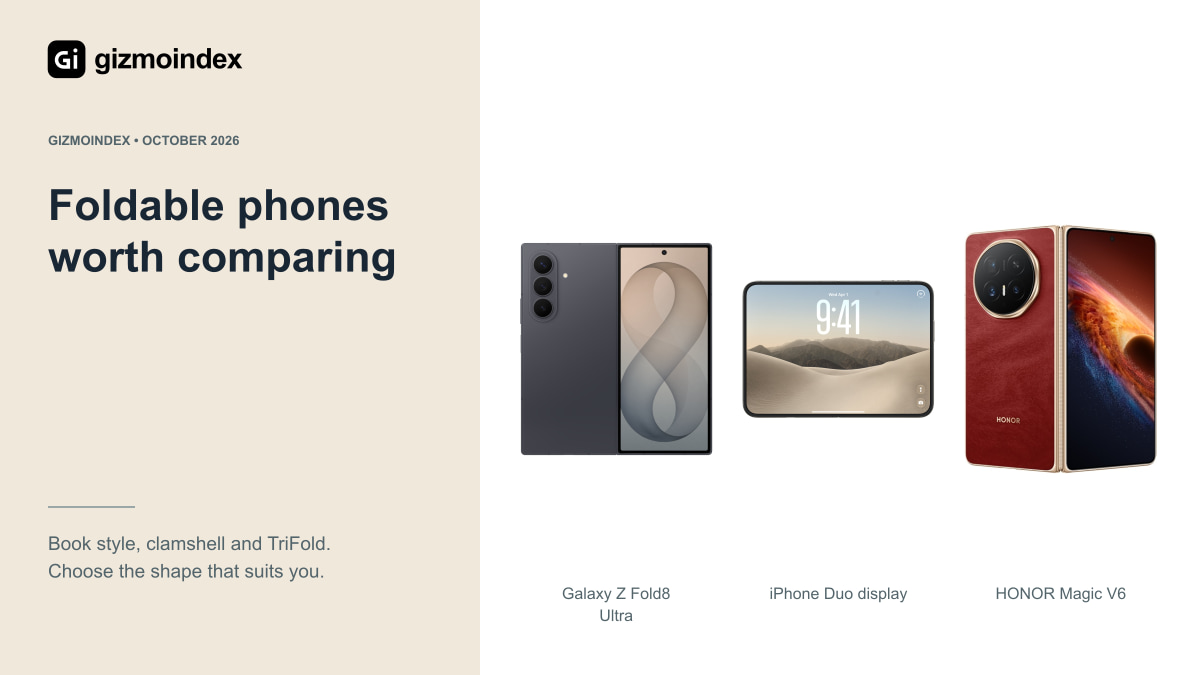
Want a foldable phone in 2026? I’d choose the shape before choosing the brand. A large book-style foldable, a compact flip and a tri-fold offer very different reasons to pay more. They don’t belong in one simple ranking based on which screen opens the widest.
This guide covers Pixel, Samsung, HONOR and Apple’s folding options, with the timing of announced and available models kept clear. We’ll look at the design, display and everyday compromises, because the best foldable should be enjoyable as a normal phone as well as impressive when you open it.
1. Google Pixel 11 Pro Fold
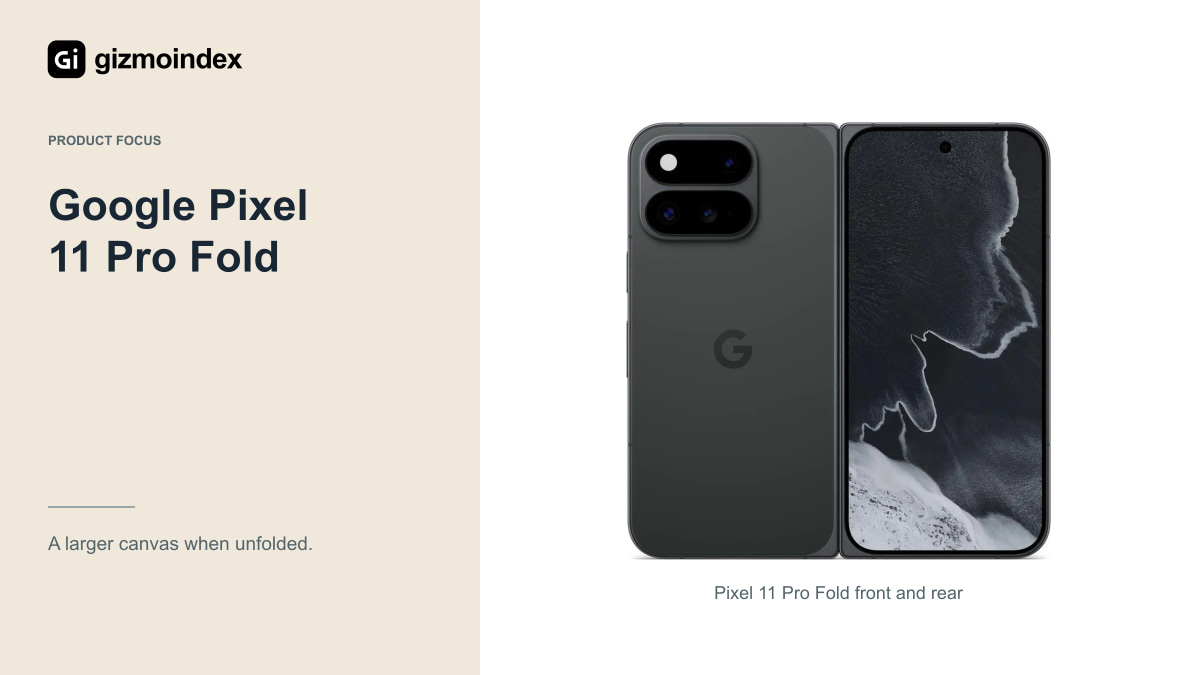
The Pixel 11 Pro Fold is one I’d consider if Google’s software is part of the appeal. You get an approximately eight-inch inner display, a 6.5-inch cover screen, Tensor G6 and 16GB of RAM. Google lists it at 239g and 10.1mm when folded, with IP68 protection and a 5x telephoto camera. Its US starting price is USD 1,899.
What interests me here is having a normal cover screen for quick tasks and extra room when you need it. Open a document beside email and the benefit becomes easier to judge. The 4,806mAh battery and 25W wireless charging are useful details, though I’d still look at proper battery tests. Also check whether Google offers a practical repair route where you live.
2. Samsung Galaxy Z Fold 8 Ultra
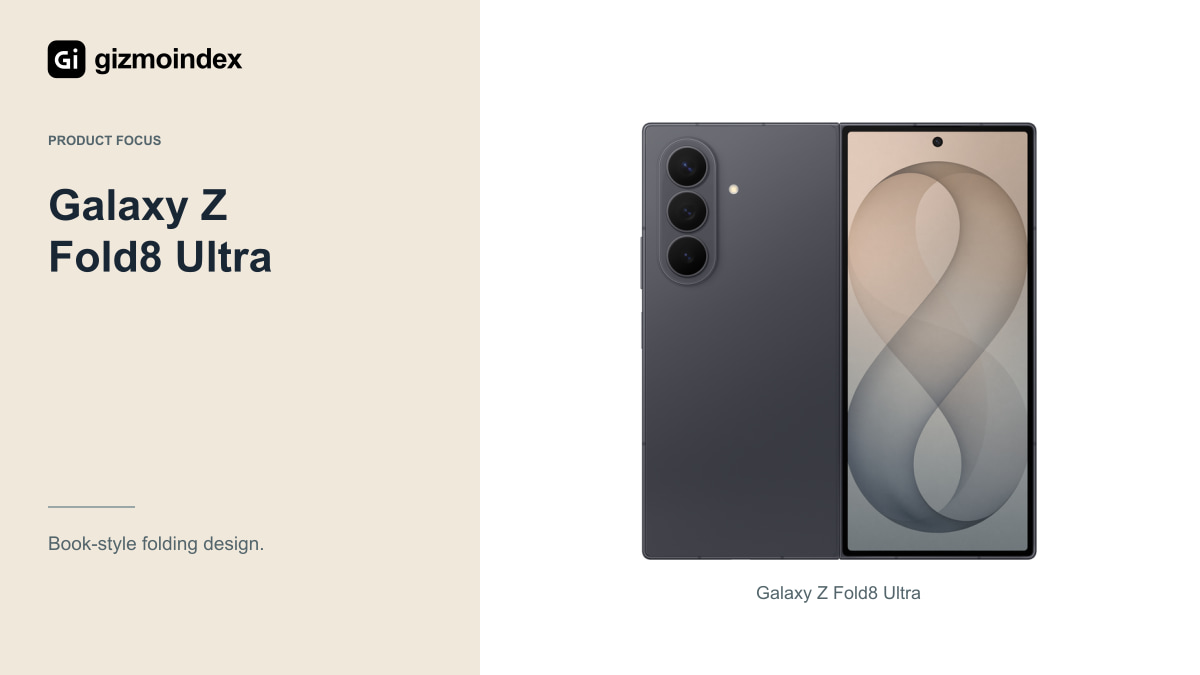
If earlier book-style foldables felt too heavy, the Fold8 Ultra deserves a look. Samsung lists 215g and 8.9mm folded thickness, alongside an eight-inch inner display. It uses Snapdragon 8 Elite Gen 5 for Galaxy, a 200MP main camera and a 5,000mAh battery. The US starting price is USD 2,099.
The lower weight is appealing, but I’d try the phone with a case before deciding. Type a few messages on the cover screen and see how the hinge feels. The camera also needs more than a megapixel comparison. At this price, I want to see indoor photos and moving subjects before assuming it replaces a conventional flagship camera phone.
3. Honor Magic V6
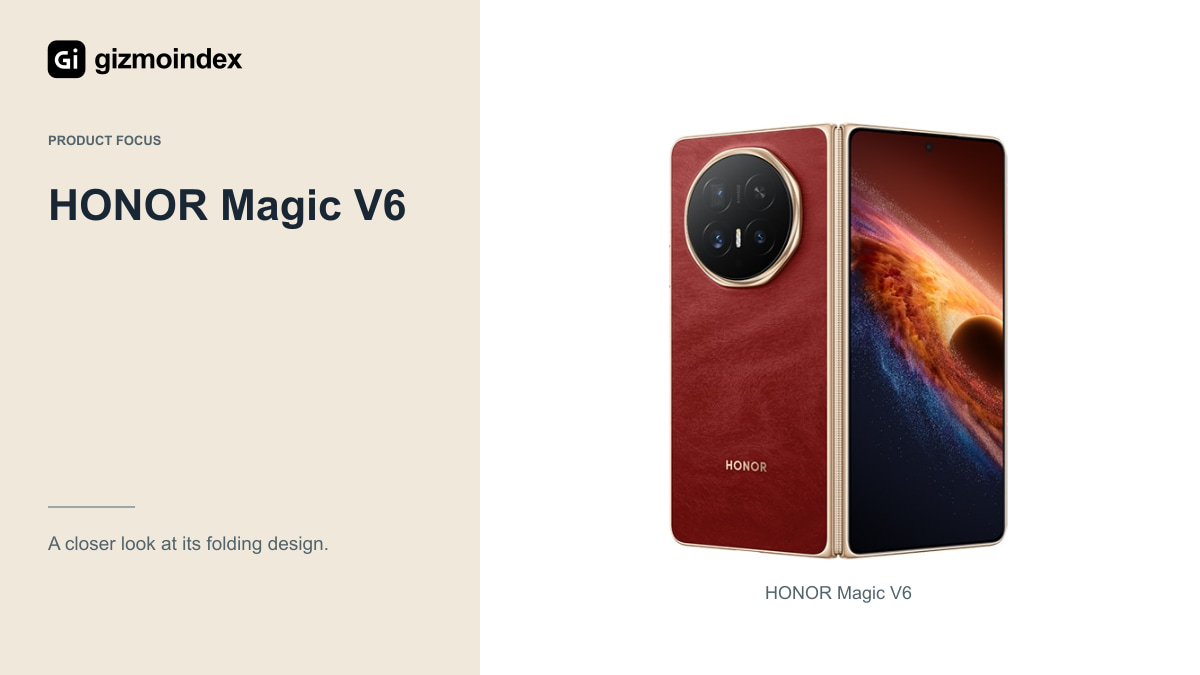
Battery capacity is what first draws my attention to the HONOR Magic V6. The global version lists 6,660mAh, along with an approximately 7.95-inch inner display and a 64MP 3x telephoto camera. Thickness changes with the finish, so check the exact version rather than combining the best figures from different variants.
The IP68 and IP69 ratings are welcome, but they don’t make the folding screen immune to pressure or the hinge immune to damage. I’d consider this one where HONOR provides an official warranty and accessible service. A large battery is a reason to consider endurance tests; it isn’t enough to declare a winner. Import costs and a difficult screen replacement could quickly spoil an attractive deal.
4. Apple iPhone Duo
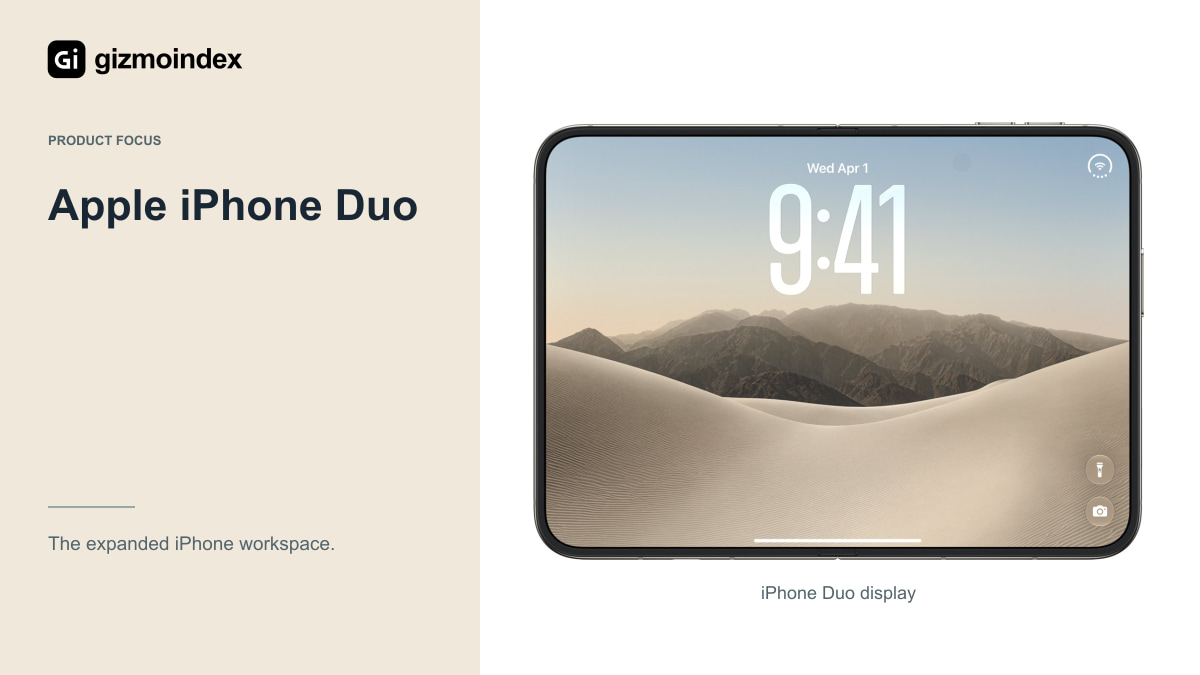
For iPhone owners who have wanted more screen space, the Duo is the obvious model to consider. It pairs a 7.6-inch inner display with a 5.4-inch cover screen, uses A20 Pro and weighs 254g. Apple lists 5.2mm thickness when open. Authentication is through Touch ID, and the phone uses eSIM.
There are compromises here. You get a dual rear-camera system without a dedicated telephoto. The US starting price is USD 1,999, with preorders opened on 16 October and availability announced for 23 October. I’d treat it as a preorder decision for now. Check your carrier’s eSIM support and wait to see how your apps use the inner display before trading in a phone you already like.
5. Samsung Galaxy Z Flip 8
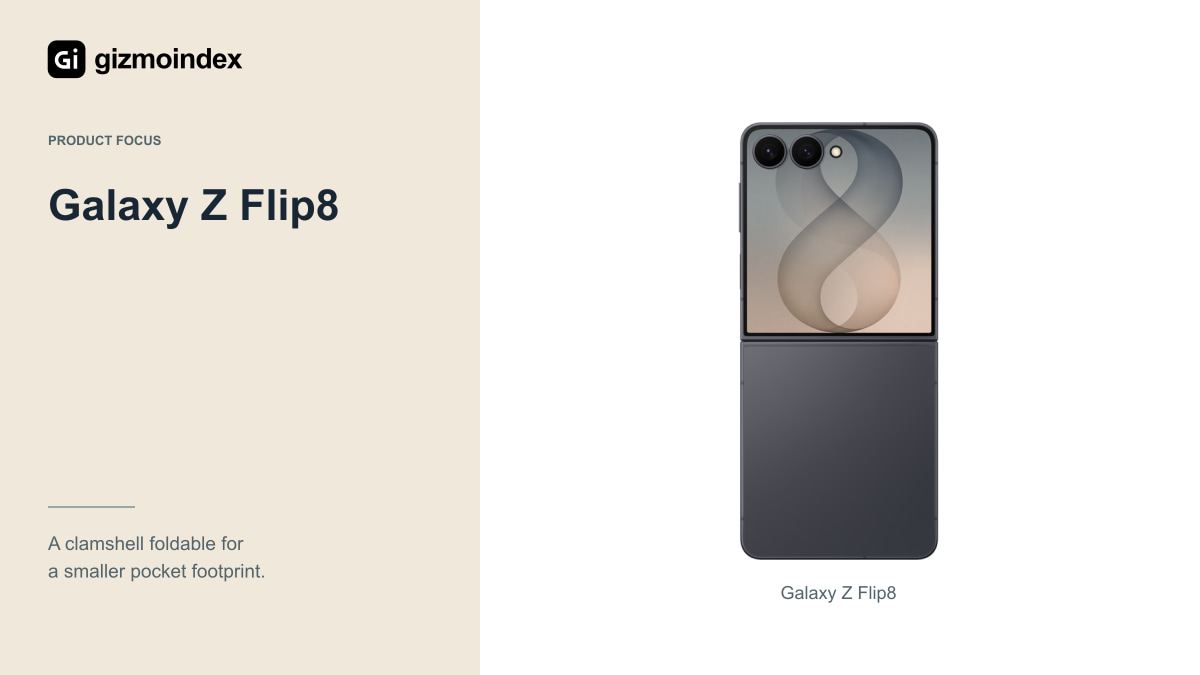
The Galaxy Z Flip8 is a different kind of folding phone. It has a 6.9-inch main display and 4.1-inch cover display, but its main benefit is becoming smaller when closed. Samsung lists 180g, a 4,300mAh battery and a US starting price of USD 1,199.99.
Choose this style for carrying convenience rather than tablet-style multitasking. Try replying from the cover screen and starting the camera without opening it. Some features depend on apps and settings, so check the ones you expect to use. It also lacks a dedicated telephoto camera. The Flip is absolutely a foldable; it simply serves a different purpose from the larger book-style models above.
Honorable mention: Samsung Galaxy Z TriFold
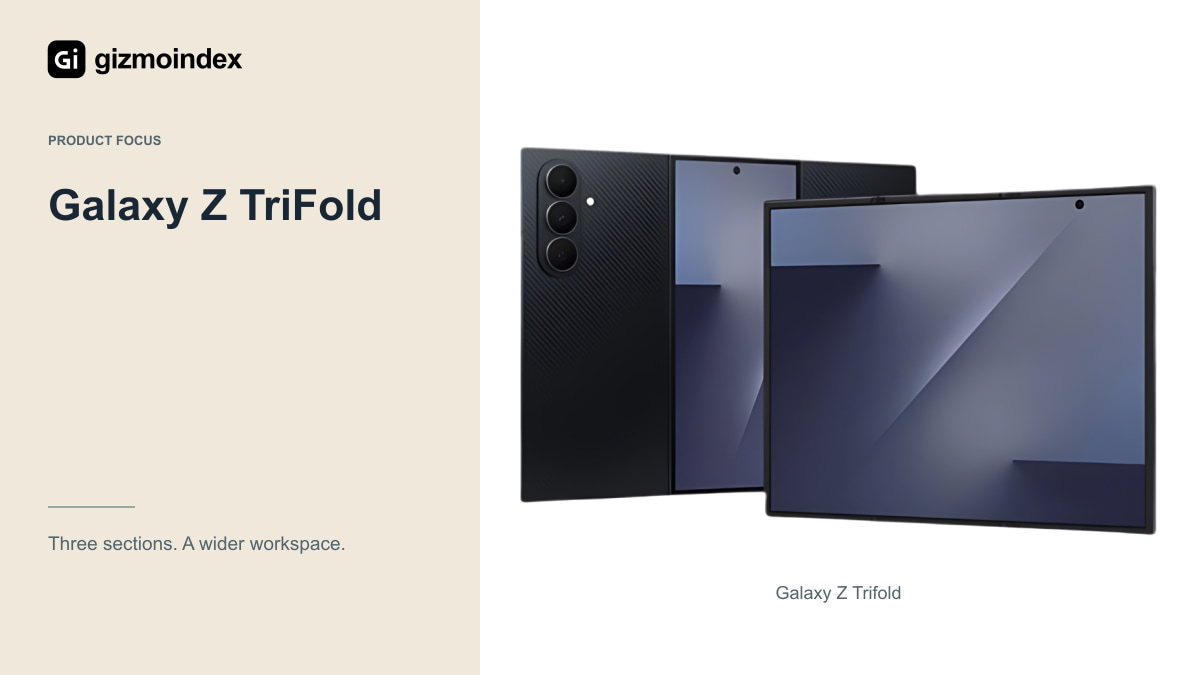
If an ordinary Fold still feels too small, the Galaxy Z TriFold opens into a 10-inch display. That’s a lot of workspace, but the USD 2,899 US price reference puts it in a very different spending category.
Compare it with the cost and convenience of a separate tablet. Two folds mean more moving parts, and service deserves serious attention. Ask what accidental-damage cover includes and what a screen repair costs. A large opening display looks impressive, but I want a regular task that makes carrying and maintaining it worthwhile.
How to choose the right foldable
Start with something you already do: read documents, watch a lecture while taking notes, or carry a phone in a small pocket. Try that task on the model you’re considering. A demo screen won’t tell you whether your banking app, keyboard or work software uses the extra space properly.
Next, use the phone closed. Can you type comfortably and reach the buttons? Does it still fit in your pocket with a case? Those small tasks happen often, and I wouldn’t accept awkward closed use just for an occasional bigger screen.
Finally, look at the cameras and repair terms separately. Some designs give up zoom hardware to make room for the fold. An IP rating also doesn’t cover every accident. You should know those trade-offs before the excitement of a new shape takes over.
A comparison that keeps the priorities separate
Here are the reasons I’d put each phone on a shortlist.
| Model | Design | Published distinction | Check before buying |
|---|---|---|---|
| Pixel 11 Pro Fold | Book | 239g; 5x telephoto | Local Google repair access |
| Galaxy Z Fold8 Ultra | Book | 215g; 8.9mm folded | Case size and total cost |
| HONOR Magic V6 | Book | 6,660mAh global battery | Exact regional version |
| iPhone Duo | Book | iOS; 7.6-inch inner display | Preorder timing and eSIM |
| Galaxy Z Flip8 | Flip | 180g; compact when closed | Cover-screen app support |
The regional version matters, particularly for batteries, network compatibility and warranty. Match the listing to the exact phone you’re buying.
Inspect the screen and service terms
With a used foldable, open plain bright and dark screens and check for lines, damaged pixels and uneven touch response. Look near the crease for a lifting protector. Open and close the hinge carefully and ask about any unusual movement or noise.
Also ask for repair history, proof of purchase and a proper return period. Don’t remove an inner screen layer to make a used phone look cleaner; find out about authorized replacement. For a new model, separate the normal warranty from accidental-damage cover and check the deductible and shipping arrangements.
Buying recommendation
I’d start with the foldable that solved a clear problem for me. A book-style model makes sense for a larger page and more working space. A flip is more about fitting a full-size phone into a smaller closed shape. A tri-fold is a different, more specialised purchase again.
I wouldn’t spend this much without being comfortable with the outer screen, the closed size and the repair arrangement. Those parts matter after the first few days of opening it for people to see. Announced features also need to be separated from products and support you can actually buy.
My advice is to choose the format first and compare exact models second. If the extra screen makes reading or working easier every day, it has a purpose. If it barely gets opened, I’d keep the money or choose a conventional flagship instead.
Sources
- Google Pixel 11 Pro Fold specifications
- Samsung Galaxy Z Fold8 Ultra
- HONOR Magic V6 regional specifications
- Apple iPhone Duo technical specifications
- Samsung Galaxy Z Flip8