
Pixel 11 Pro Fold vs Pixel 10 Pro Fold: Is the Upgrade Worth It?
Pixel 11 Pro Fold vs Pixel 10 Pro Fold: compare weight, displays, battery capacity, wireless charging, launch prices and the real cost of upgrading.
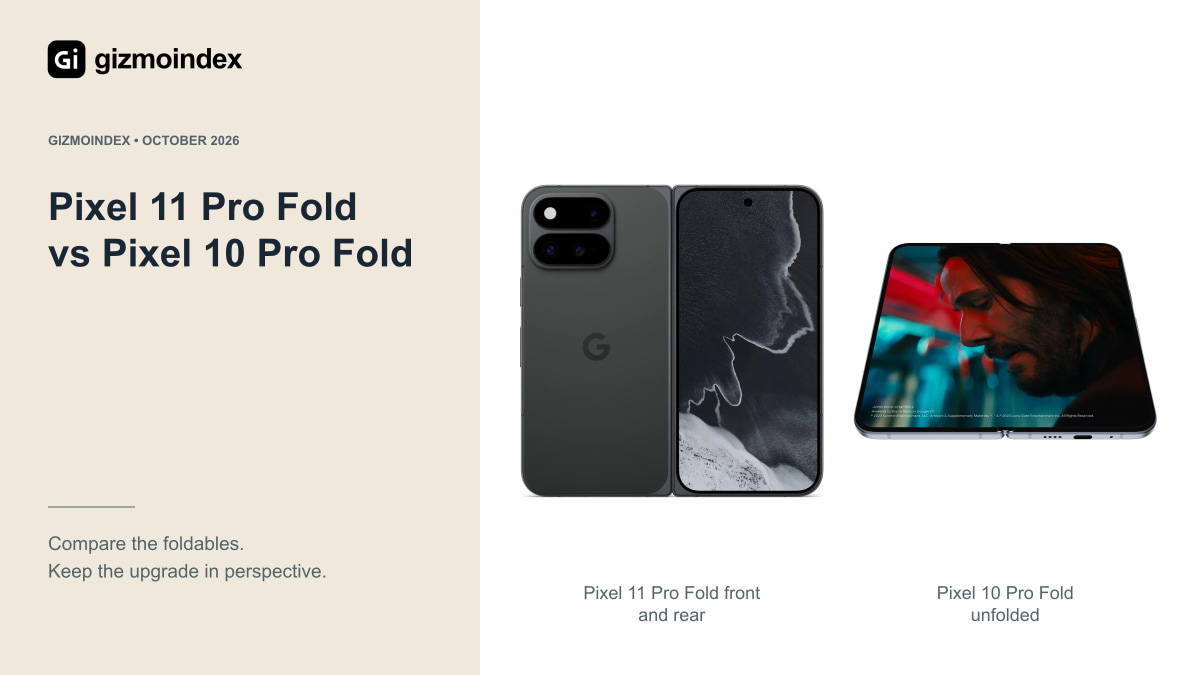
Thinking about moving from the Pixel 10 Pro Fold to the Pixel 11 Pro Fold? I’d start with what bothers you about the phone you already have. A newer foldable can be lighter or easier to use, but an upgrade needs to do more than change the model number.
What interests me is the balance between a normal phone outside and a larger screen inside. That’s the reason to buy a Pixel Fold in the first place. Let’s look at the design, displays, battery, cameras and software to see where the newer model improves that experience and when I’d keep the older one.
Design and weight
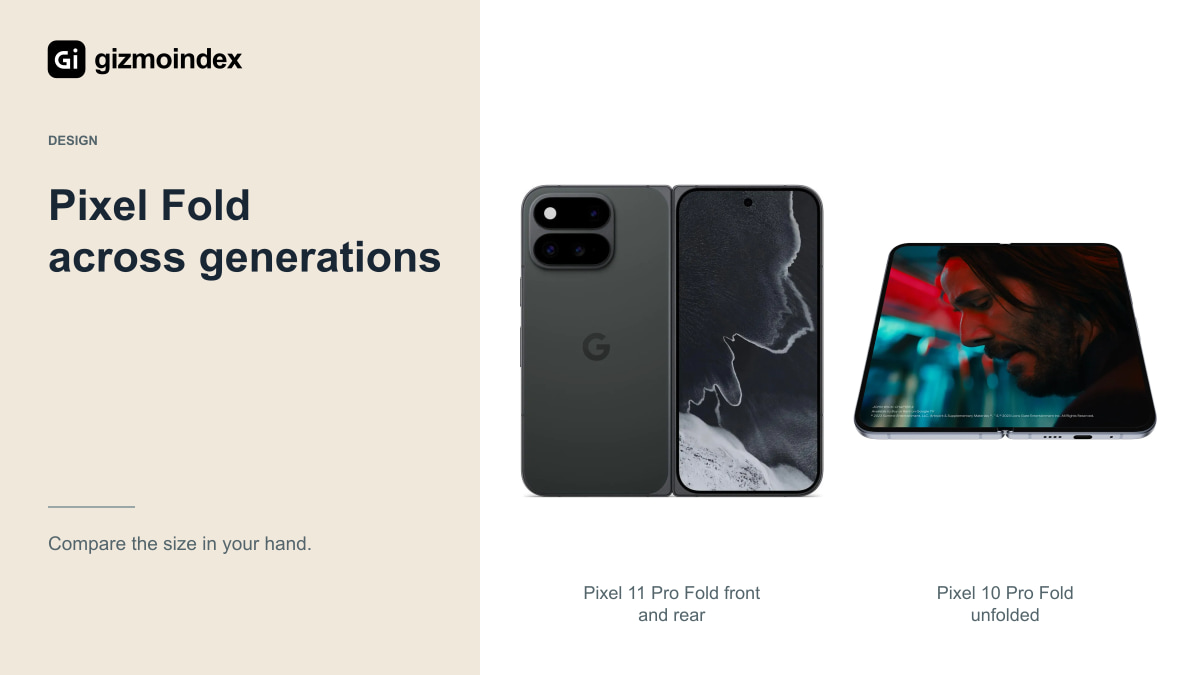
Google lists the Pixel 11 Pro Fold at 239g and 10.1mm when folded. The Pixel 10 Pro Fold is 258g and 10.8mm. A 19g reduction may not sound dramatic, but it’s worth checking when you carry a large phone all day. The case you choose can also affect the grip and pocket fit.
Both carry IP68 ratings. I’d still treat the inner screen with care, especially around sharp objects or pressure in a bag. Don’t peel off the factory protector because you think it looks like ordinary packaging. Ask Google or an authorized repairer about replacement if it starts lifting. Water resistance doesn’t remove hinge wear or guarantee free repairs after an accident.
Display
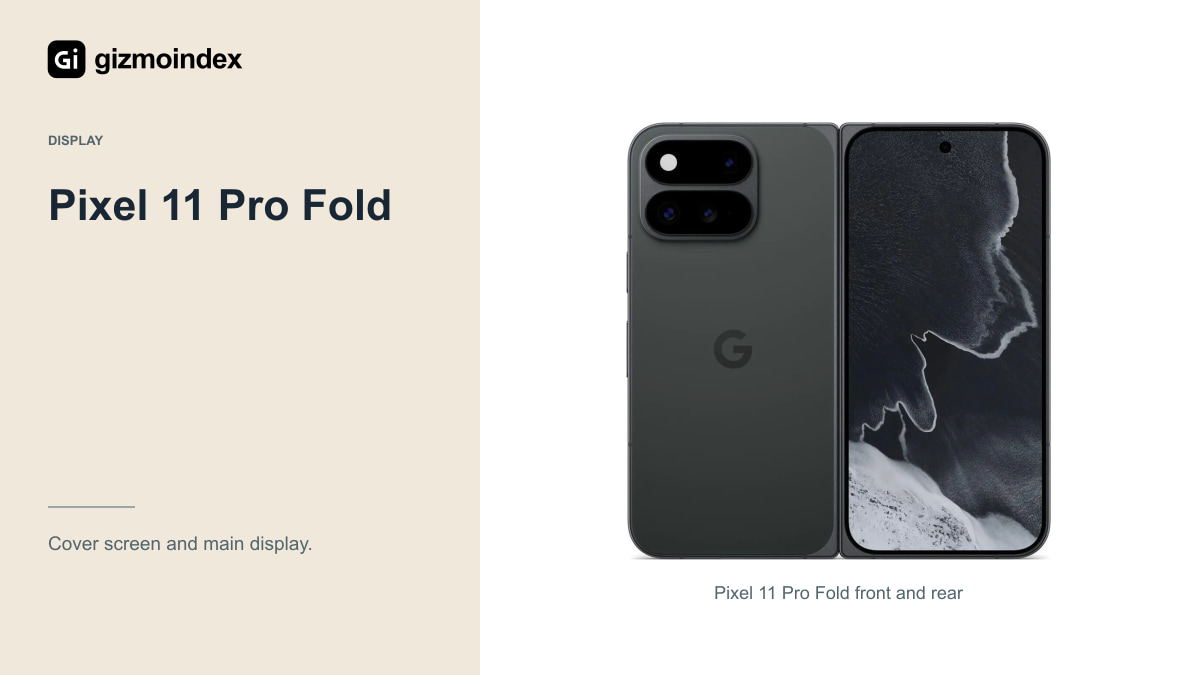
The cover screen grows from roughly 6.4 inches to 6.5 inches. Google advertises up to 3,600 nits peak brightness on the newer cover panel, compared with 3,000 nits before. That could be worth looking at if outdoor visibility bothers you, but peak brightness isn’t a promise of continuous brightness across the whole screen.
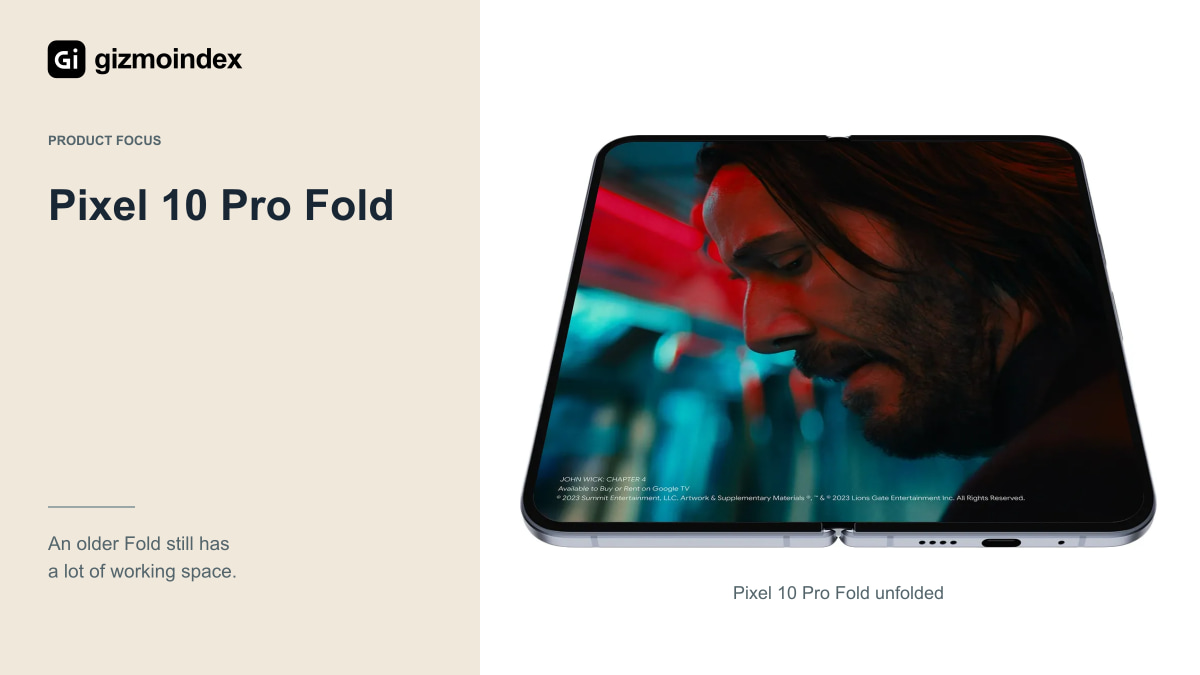
Inside, you still get about eight inches of display. That’s why I wouldn’t expect a completely different working experience just from upgrading. The space is broadly familiar. Try your reading app, the keyboard and two apps side by side. A large, nearly square screen can be useful for documents, while a wide movie may still leave black bars.
Performance
The move from Tensor G5 to Tensor G6 gives the Pixel 11 Pro Fold a newer platform. Google also lists Titan M3 security hardware and 16GB of RAM. Storage choices are 256GB, 512GB and 1TB, with Zoned UFS storage identified for the larger versions. Check the configuration you’re actually buying.
I’d be careful with promises that a newer chip automatically means better gaming or less heat. Software and cooling matter too. If you edit video or play a demanding game, look for a sustained test of that particular app. A quick benchmark score can miss the slowdown that appears after several minutes of heavy work.
Battery and charging
Here’s a detail worth noticing: battery capacity falls from 5,015mAh to 4,806mAh. That doesn’t prove the newer phone lasts less time, because efficiency and screen use can change the result. It also doesn’t prove the smaller battery is better simply because the processor is newer.
Wireless charging increases from up to 15W to 25W with compatible Qi2.2 equipment. I like the convenience that could offer on a desk, but check the pad, adapter and case requirements. The maximum speed won’t necessarily continue through the whole charge. If battery life is your main reason to upgrade, wait for comparable mixed-use and charging tests rather than deciding from these two numbers.
Software and cameras
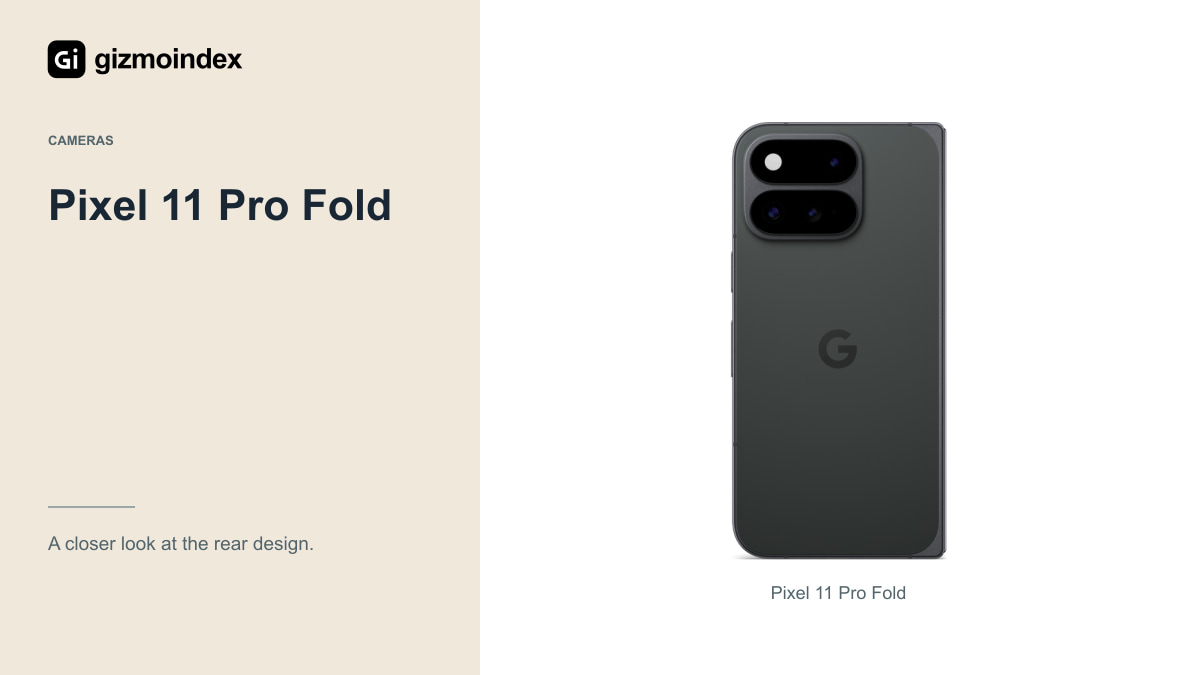
The newer Fold has a three-camera rear system with a 5x telephoto. Google lists a 48MP wide camera, 10.5MP ultrawide and 10.8MP telephoto. Those are useful focal-length options, but I’d compare actual indoor photos, movement and video before expecting a major improvement over the older phone.
Software is part of the attraction of a Pixel, though specific assistant and editing tools can depend on language, region and rollout dates. Check the tool you want on the software you can install now. Also remember that seven-year support is counted from each model’s original launch, rather than beginning again when you buy it used.
Key differences at a glance
These are the changes I’d keep in mind when comparing the two offers.
| Specification | Pixel 11 Pro Fold | Pixel 10 Pro Fold |
|---|---|---|
| Weight | 239g | 258g |
| Folded thickness | 10.1mm | 10.8mm |
| Battery capacity | 4,806mAh | 5,015mAh |
| Advertised wireless maximum | 25W | 15W |
| US launch starting price | USD 1,899 | USD 1,799 |
The launch prices are reference points. They don’t tell you today’s price in every country, or whether an older discounted unit has the same warranty as a new one.
What it’s like to use a Pixel Fold every day
Before getting carried away with the inner display, look at the phone when it’s closed. That’s the screen you’ll use for a quick reply, a payment or a message while walking. If the keyboard feels cramped or the case is awkward, opening it into a bigger screen doesn’t make those small frustrations disappear.
What I like about a book-style foldable is the possibility of doing two useful things together. You could keep email beside a spreadsheet or read a reference while writing. The important part is whether your own apps support that properly. Some give you a sensible layout; others just stretch a phone interface.
Also check what happens when you open and close the phone during a task. Does your video call continue? Does your document keep its position? Those are the details that make the extra screen feel useful every day.
Price
The US launch starting prices were USD 1,899 for the Pixel 11 Pro Fold and USD 1,799 for the Pixel 10 Pro Fold. A current local offer could produce a very different gap, particularly if the older phone is refurbished or used.
For an upgrade, take the full replacement price and subtract a realistic trade-in value. Then add the case, insurance changes and financing charges. I’d do that calculation before calling the newer Fold a small upgrade in cost. If faster desk charging is your only complaint, a different charging routine may cost far less than changing phones.
How the Pixel Folds compare with other foldables
Samsung’s Galaxy Z Fold8 Ultra is worth a look if weight and thickness are your main concerns. HONOR’s Magic V6 draws attention with its larger listed battery. Apple’s iPhone Duo is the iOS option, with a smaller cover screen and no dedicated telephoto camera; on 21 October it’s still ahead of its announced 23 October retail availability.
I wouldn’t choose between these on battery capacity or one camera number alone. Try the multitasking, check app support and ask about repairs. If you rarely need two apps together, a normal phone and a separate tablet might suit you better.
Regional support and used-device checks
One thing I wouldn’t overlook is where the phone can be repaired. Google’s official service network doesn’t cover every country. Ask about the exact model and who pays for shipping if a folding screen needs attention. A vague international-warranty promise isn’t enough.
With an import, confirm network bands, carrier acceptance and SIM support. With a used Fold, test the inner screen, hinge and touch response across the whole panel. Lifting protectors, bright lines or uneven hinge movement matter before payment. A discount only helps if the phone is usable and you have a realistic way to return or repair it.
Buying recommendation
I’d choose the Pixel 11 Pro Fold when its changes fixed something I noticed regularly, or when buying a foldable for the first time at a sensible price. I wouldn’t replace a healthy Pixel 10 Pro Fold just to keep the newest version in my pocket.
The inner display is the main attraction, so think about how often you’d use it. Reading, maps or apps side by side can give the format a purpose. If you mainly use the outside screen, a conventional phone may already cover the day with less cost and complexity.
My advice is to compare the full offers and handle the phone before deciding. A useful upgrade should feel better during your own tasks, rather than only look better in a table. Keep the older Fold if it still gives you the experience you wanted.
Sources
- Google Pixel 11 Pro Fold specifications
- Google Pixel 10 Pro Fold specifications
- HONOR Magic V6 regional specifications
- Samsung Galaxy Z Fold8 Ultra
- Apple iPhone Duo technical specifications