
Best iPhones Under $500 in 2026: My Three Picks
Compare the iPhone 15, iPhone 14 Pro and iPhone 16e under $500. Here is where I would spend for cameras, USB-C and everyday use.
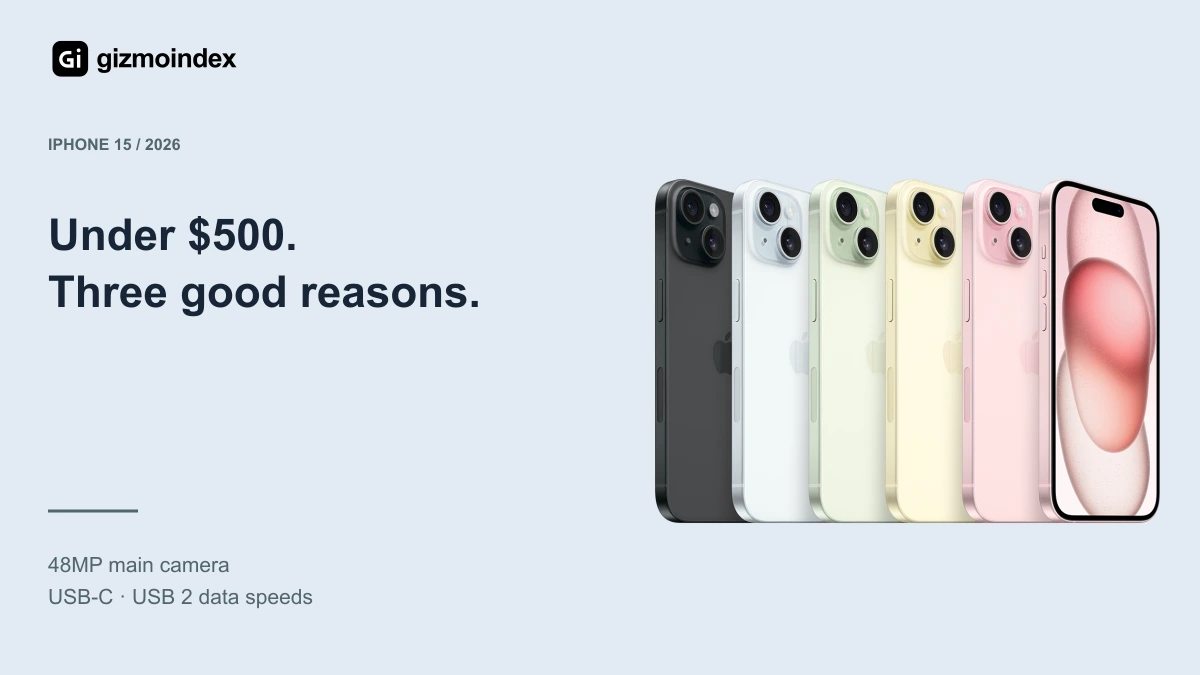
With $500 to spend, you have an interesting choice: the everyday convenience of the iPhone 15, the camera versatility of the 14 Pro, or the newer platform in the iPhone 16e. Choosing between them comes down to which features you will use.
The regular 15 is my starting point for a balanced purchase. The 14 Pro becomes more appealing for its telephoto, macro and ProMotion display, while the 16e suits simpler camera needs. Here is where each model offers value and what you give up by choosing it.
My quick pick: Choose the iPhone 15 for everyday use, the 14 Pro for camera versatility, or the 16e for its newer chip and Apple Intelligence. The 14 Pro needs the closest price check because its $493 average nearly uses the full budget.
Quick comparison
| Model | Price reference | Useful features | Main compromise |
|---|---|---|---|
| iPhone 15 | US$451 average listing | 48MP main; USB-C; autofocus selfie camera | 60Hz; USB 2; no native Log or ProRes |
| iPhone 14 Pro | US$493 average listing | 3x optical telephoto; macro; ProRAW | Lightning; 128GB ProRes limited to 1080p30 |
| iPhone 16e | US$425 average listing | A18; Apple Intelligence; USB-C | No ultrawide or built-in MagSafe |
US used listing averages, 7 October 2026, before tax and delivery. Storage, carrier and condition vary. New retail prices are labelled separately; an average is not a guaranteed offer.
iPhone 15: my everyday starting point
At a $451 marketplace average, the iPhone 15 has a clear place on this shortlist. You get a 48MP main camera, an ultrawide and USB-C in a regular-sized phone. I recommend this option for someone who wants to keep daily use straightforward.
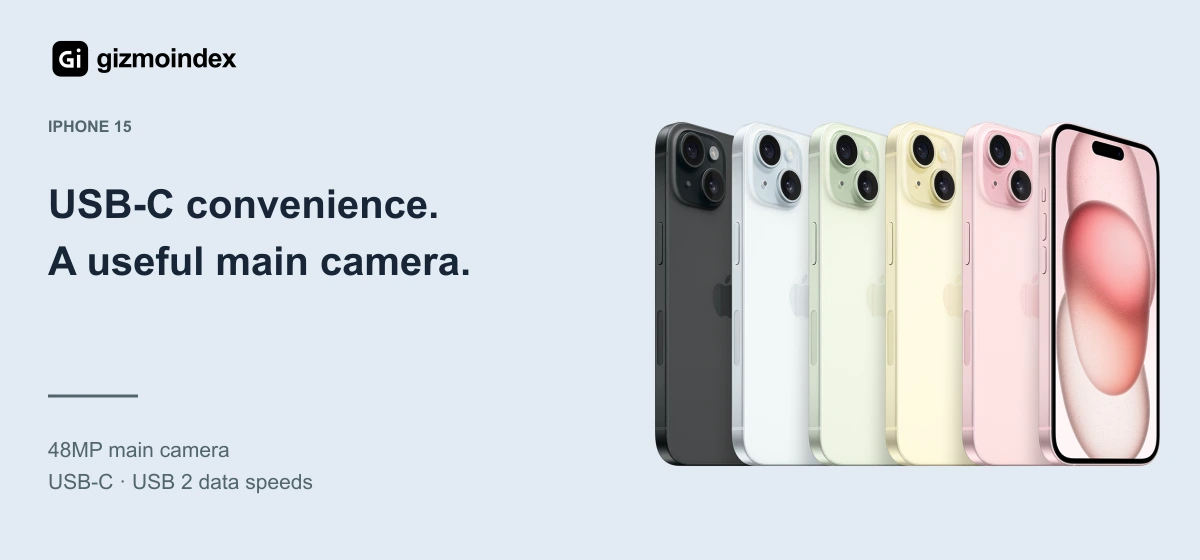
The 2x option is produced using the main sensor rather than a separate telephoto lens. It can be useful for framing, but I do not describe it as equivalent to the 14 Pro's dedicated 3x camera. That difference matters if tighter portraits are a priority.
USB-C is convenient if the rest of your devices already use it. However, the standard 15 operates at USB 2 data speeds. Buying it for the connector does not buy the faster wired transfer system found on the 15 Pro models.
The display is still 60Hz, and this is not an Apple Intelligence-compatible model. I recommend it for the balance of camera tools, size and everyday convenience rather than expect every feature from the Pro line.
iPhone 14 Pro: my pick for more camera options
The 14 Pro offers a 48MP main camera, dedicated 3x telephoto, ultrawide and macro photography. Its ProMotion display is another reason to consider it over the standard 15, especially if a smoother screen is something you notice every day.
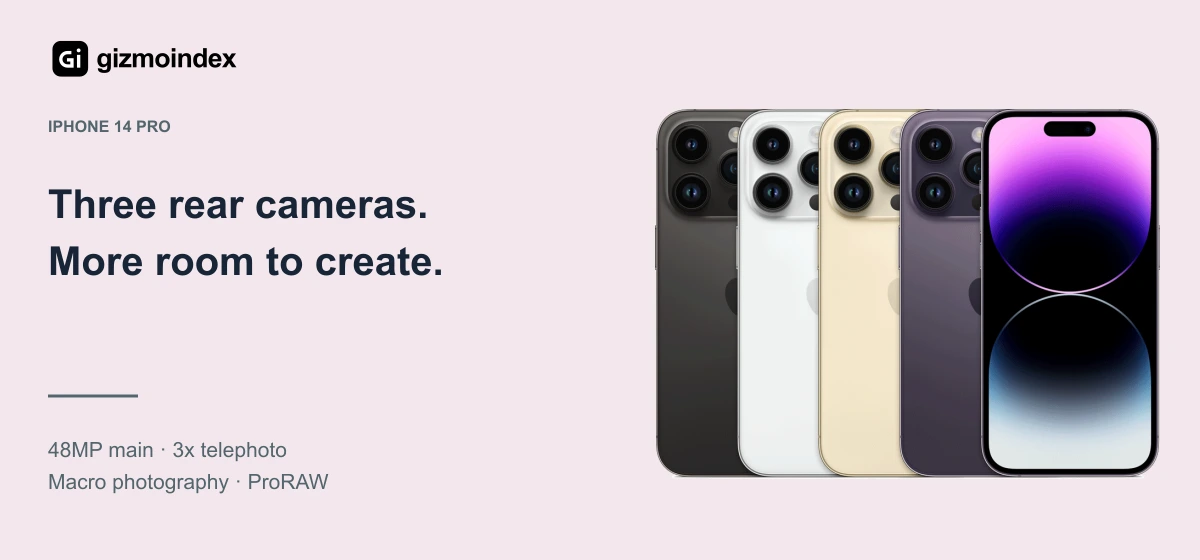
Its $493 marketplace average sits almost on the ceiling. You need a lower final price, or a budget that explicitly excludes tax, before calling a specific listing an under-$500 purchase. The average also does not promise 256GB or a particular battery condition.
The main limitation is an older used device with Lightning. If you buy the 128GB model for ProRes filming, remember that Apple's built-in recording specification is limited to 1080p at 30fps at that capacity. Ordinary 4K video is a separate matter.
I recommend prioritising a functioning camera system and a good battery over cosmetic perfection. Test all the lenses, Face ID and the screen, and ask what any refurbishment actually included.
iPhone 16e: the simpler route to a newer platform
The iPhone 16e averages $425 in the marketplace snapshot. Its A18 chip, USB-C and Apple Intelligence compatibility give it a different appeal from the other two. I recommend considering it for someone who wants those features and mostly uses the main camera.
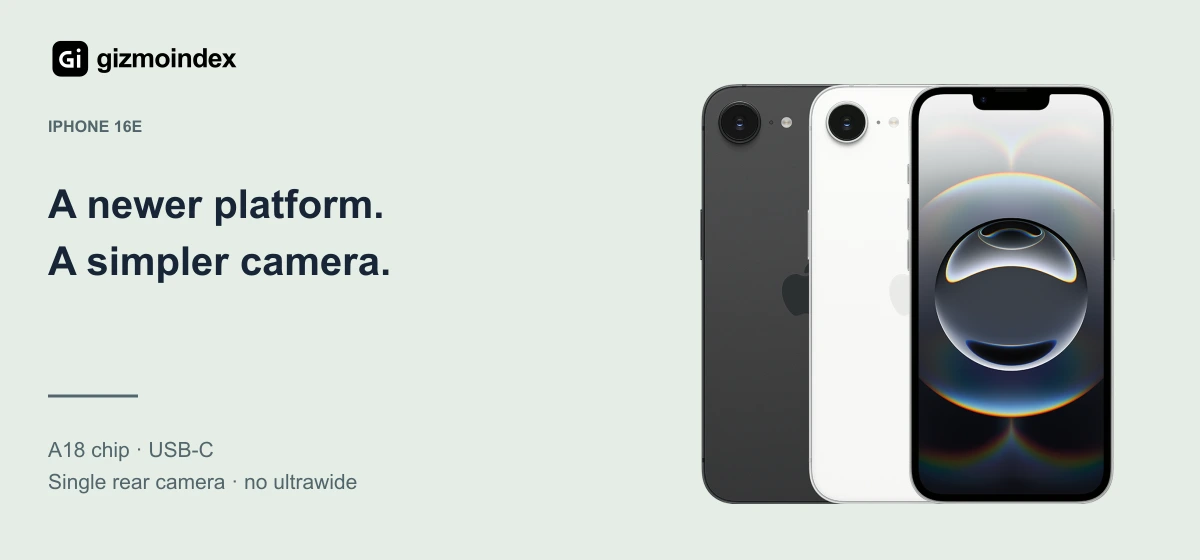
The hardware compromise is important: there is one rear camera, with a 2x option derived from the 48MP sensor. You do not get the 15's ultrawide or the 14 Pro's separate telephoto and macro flexibility. I would not rank it first for a buyer whose main goal is versatile photography.
It also lacks built-in MagSafe support. A magnetic case can help accessories attach, but it does not turn the phone into a model with native MagSafe charging. Check that distinction if you already own a magnetic charging setup.
For me, the 16e makes sense when simplicity and its newer chip are the point. It makes less sense when you are paying for a new model number while giving up cameras you use regularly.
How I would use the last part of the budget
Compare the same storage capacity where possible. If you shoot video, a less fashionable model with 256GB can be more useful than the cheapest 128GB version of your first choice. Check the actual capacity premium instead of assuming it is small.
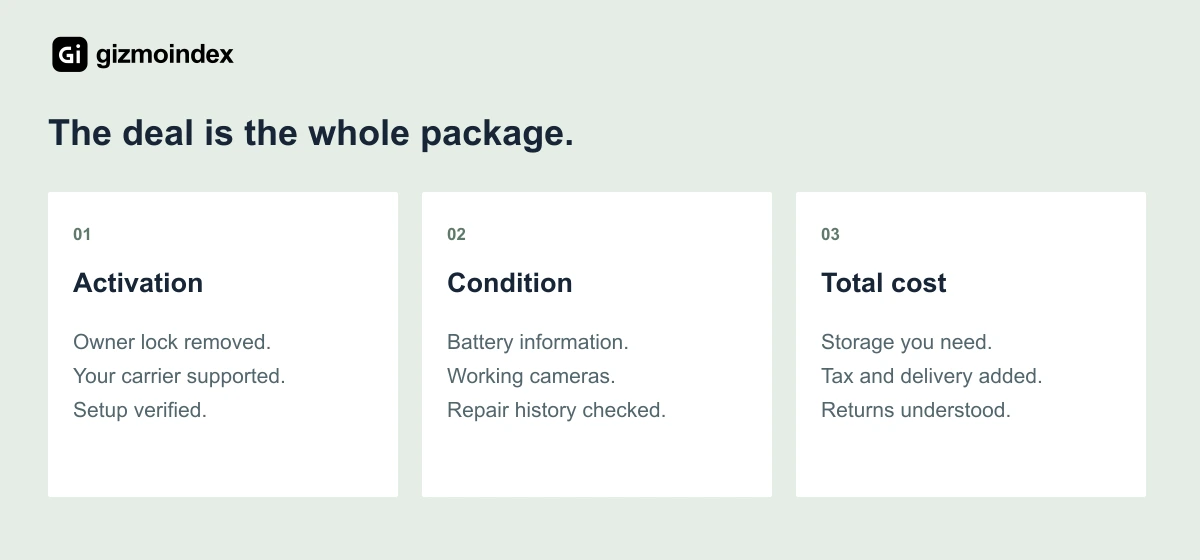
I would also leave room for an appropriate cable, case and any battery service already needed. All three can appear in attractive listings, but carrier restrictions, repair history and return terms decide whether the price is good for you.
Compare the hardware in our iPhone 15 specifications page before choosing storage and accessories.
My verdict
The iPhone 15 stands out as a balanced everyday option under $500, combining a useful main camera with USB-C convenience. I recommend the 14 Pro for anyone who values its ProMotion display, telephoto and macro features, provided a suitable unit fits the budget.
The iPhone 16e is worth considering for its newer platform and simpler camera needs. Its missing ultrawide and native MagSafe support are compromises to understand before buying. Choose the features you need, then compare storage and condition.
Frequently asked questions
Which is the best camera choice under $500?
Of these three, I recommend starting with a healthy iPhone 14 Pro for its lens versatility. That is a feature-based recommendation, not a claim that it wins every photo comparison.
Does the regular iPhone 15 support Apple Intelligence?
No. Apple Intelligence support starts with the iPhone 15 Pro models and includes the iPhone 16e; feature availability also varies by language and region.
Are these prices for new phones?
No. They are used-market listing averages, not Apple new-retail offers or guaranteed unlocked prices.
For a complete recording setup, read our iPhone content creation guide under $500.