
Best iPhones Under $600 in 2026: Which Pro Makes Sense?
Compare used iPhone 15 Pro and 14 Pro Max deals below $600, plus the cheaper iPhone 15. Know what to check before buying an older flagship.
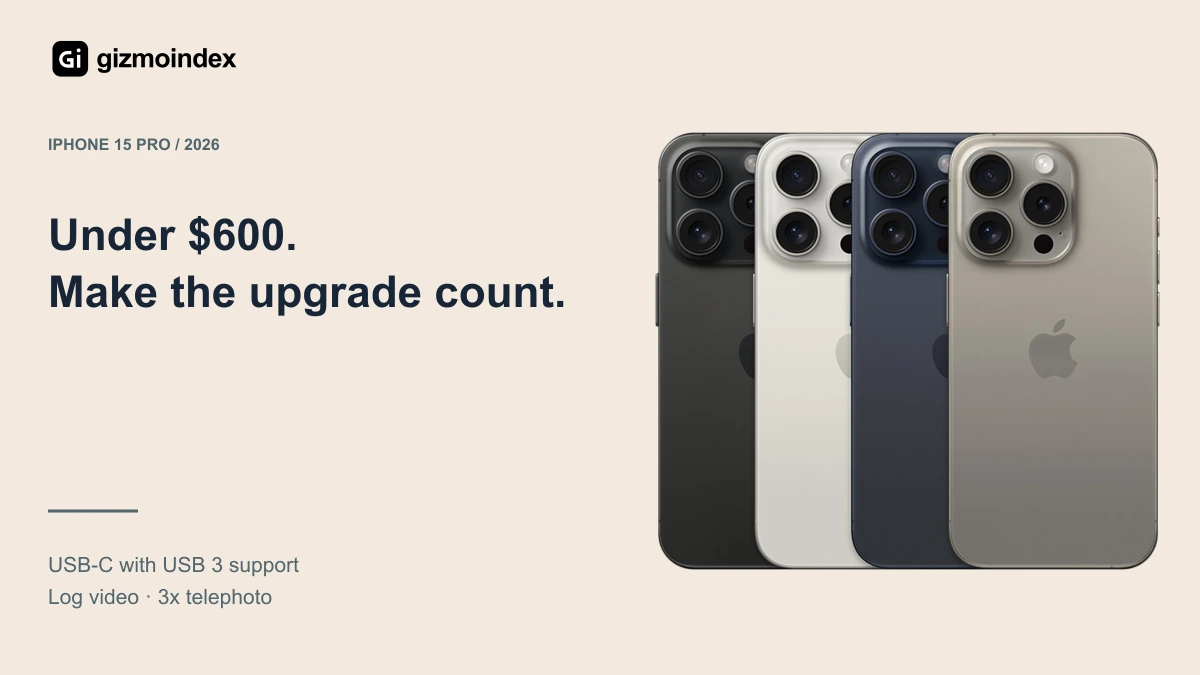
USB-C or a larger Pro Max screen? That is one of the main decisions when comparing the iPhone 15 Pro and iPhone 14 Pro Max below $600. Both offer useful Pro features, but the differences are noticeable in how you carry, charge and use them.
Their marketplace averages sit close to the budget limit, so storage and condition need careful attention. I have also included the regular iPhone 15 for anyone who would rather keep some money than pay for Pro features they rarely use.
My quick pick: Choose a discounted 15 Pro for USB 3 and Log recording, or the 14 Pro Max for the larger screen. If neither stays below $600 after necessary costs, the regular 15 is the sensible fallback.
Quick comparison
| Model | Price reference | Useful features | Main compromise |
|---|---|---|---|
| iPhone 15 Pro | US$597 average listing | USB 3; Log; external ProRes 4K60 | Average near $600 ceiling; accessories cost extra |
| iPhone 14 Pro Max | US$585 average listing | 6.7-inch ProMotion; 3x telephoto | Heavy body; Lightning; no Apple Intelligence |
| iPhone 15 | US$451 average listing | 48MP main; USB-C; autofocus selfie camera | 60Hz; USB 2; no native Log or ProRes |
US used listing averages, 7 October 2026, before tax and delivery. Storage, carrier and condition vary. New retail prices are labelled separately; an average is not a guaranteed offer.
iPhone 15 Pro: a smaller Pro with faster file transfers
The 15 Pro is the model I recommend comparing first if you want a relatively compact Pro with USB-C. Its A17 Pro chip, ProMotion screen and three rear cameras make it a substantial step beyond a basic older iPhone in terms of available tools.
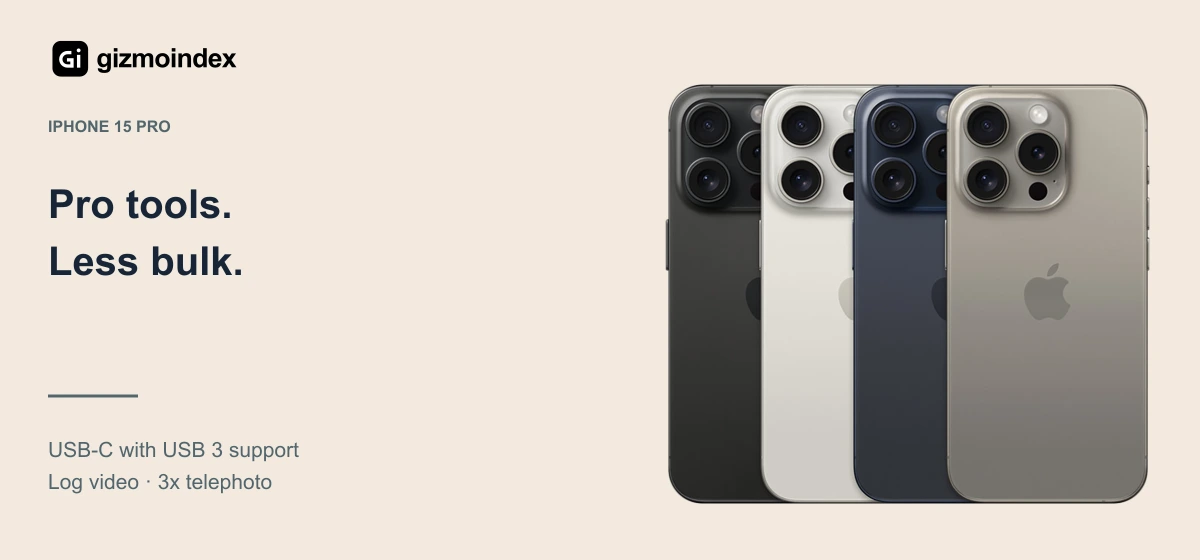
For someone who transfers footage, USB 3 support is a practical difference from the regular 15. You need a suitable cable and compatible equipment to use the higher speed. The socket's shape alone does not tell you what a connection will deliver.
Apple also lists Log recording and ProRes up to 4K at 60fps with external recording. Those features are useful when your editing process needs them. They are less persuasive if you shoot a few clips and upload everything directly from the phone.
The $597 average leaves almost no margin. I would look for a lower-priced unit and verify the final total before declaring it within budget. A damaged or locked phone is not the same product proposition as a ready-to-use Pro.
iPhone 14 Pro Max: for the bigger screen
If screen size is what you want, the 14 Pro Max gives you a 6.7-inch ProMotion display and the older Pro camera system. Compare it when reading, watching video and framing shots on a large screen matters more than carrying a smaller handset.
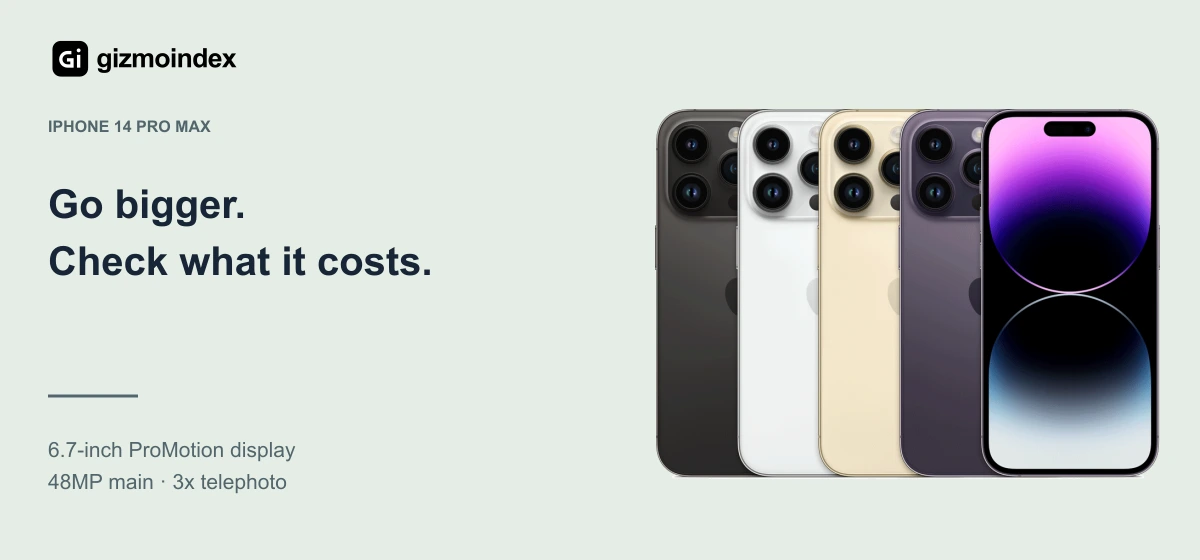
The 48MP main camera, 3x telephoto and macro capability remain useful reasons to look at it. However, it uses Lightning and does not support Apple Intelligence. Those limitations do not disappear because the phone once cost flagship money.
At a $585 marketplace average, the margin below $600 is thin. Storage, battery wear or a repair requirement can change the decision. Do not buy it assuming a used battery will reproduce the endurance of a new review unit.
Weight and size deserve a real check too. A Pro Max that is uncomfortable to carry is not an upgrade for everyone. If the larger screen is not essential, the 15 Pro gives this comparison a very different balance.
iPhone 15: when keeping the saving is the better move
The regular 15 averages $451, leaving a much healthier gap below $600. It is worth considering when you want USB-C, a 48MP main camera and a manageable size without needing professional recording formats or a telephoto lens.
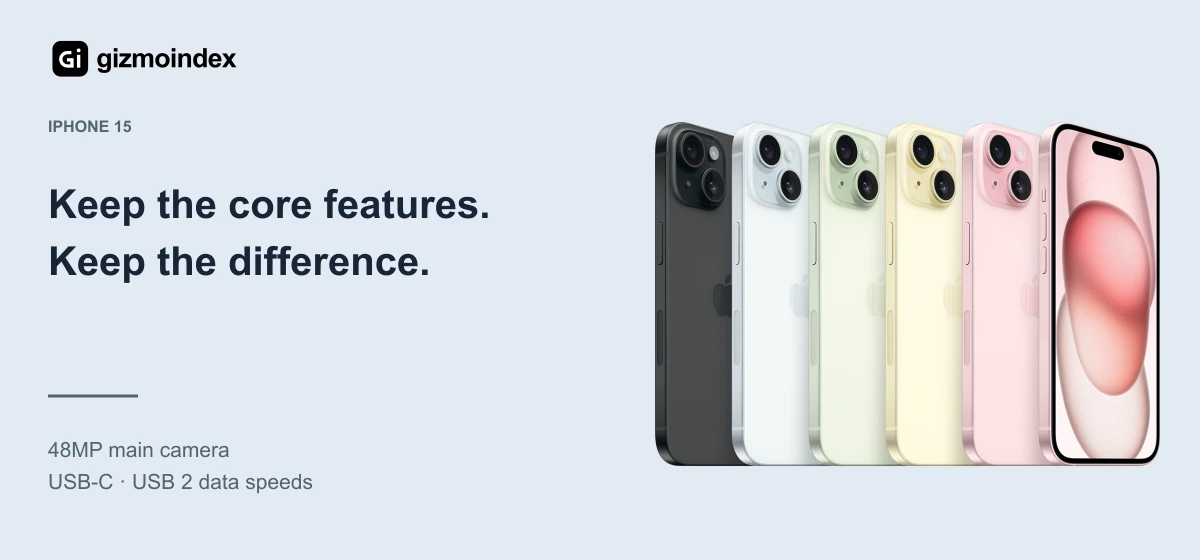
You give up ProMotion, the dedicated telephoto and the faster USB connection of the 15 Pro. If you do not use those features, though, their absence is not automatically a reason to spend more. The cheaper phone can be the more appropriate purchase.
The remaining budget might let you choose more storage or a seller with a better return policy. Compare the actual offers rather than automatically using every dollar to climb one step higher in the range.
Price and condition
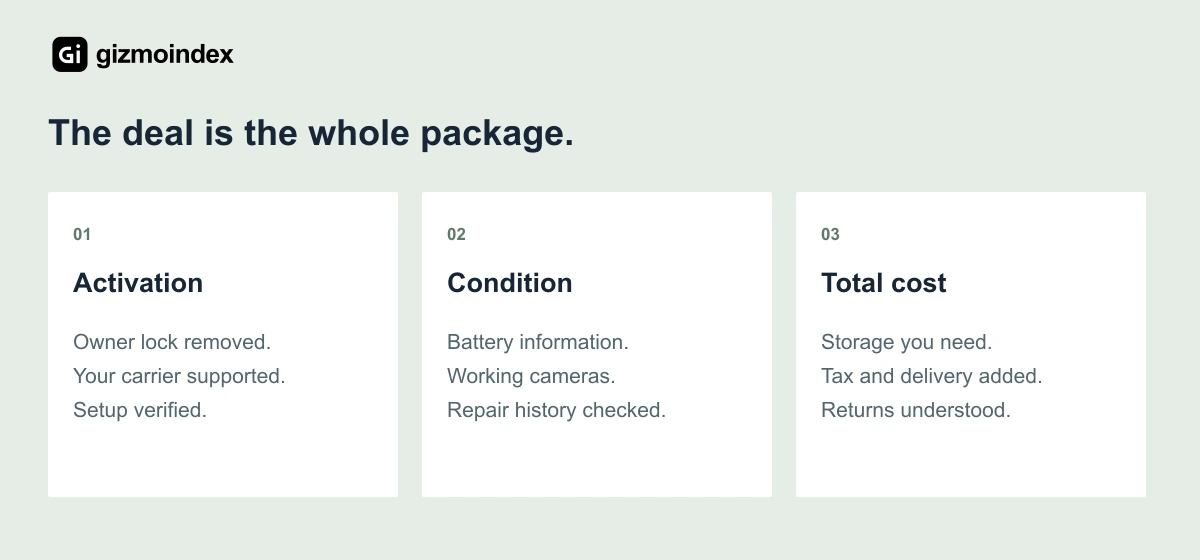
Only count a phone as under $600 after checking the price of the exact unit I could buy. Listing averages mix storage, carrier status and condition. They are a way to narrow a search, not a substitute for reading the listing.
Before paying, test the cameras, microphone, Face ID, screen and charging connection. Then review the battery and parts history available in Settings. On a phone bought partly for camera work, a malfunctioning lens removes the reason for paying the Pro premium.
Compare the hardware in our iPhone 15 specifications page before choosing storage and accessories.
My verdict
The iPhone 15 Pro is my first recommendation to check if you want a compact Pro with useful recording features and USB-C. The 14 Pro Max is worth considering if the larger screen is your priority.
Both need a careful price check because their averages sit close to $600. If the available units have poor condition or the total is too high, the regular iPhone 15 offers a sensible alternative and leaves more money in your pocket.
Frequently asked questions
Can I reliably buy a 15 Pro for $597?
No. That is a marketplace average, not a quoted offer for a particular storage and carrier configuration. Check available listings and the final checkout total.
Does the 14 Pro Max have USB-C?
No. It uses Lightning. USB-C arrived with the iPhone 15 family, with faster USB 3 data support on the Pro models.
Should I stretch the budget for more storage?
Only if your real storage use needs it. Compare the capacity premium with a cheaper model that already has enough space.
For a complete recording setup, read our iPhone content creation guide under $500.