
Best Used iPhones to Buy in Nigeria in 2026
Choose a used iPhone in Nigeria by complete price, storage, battery condition, activation checks and the seller's written return terms.
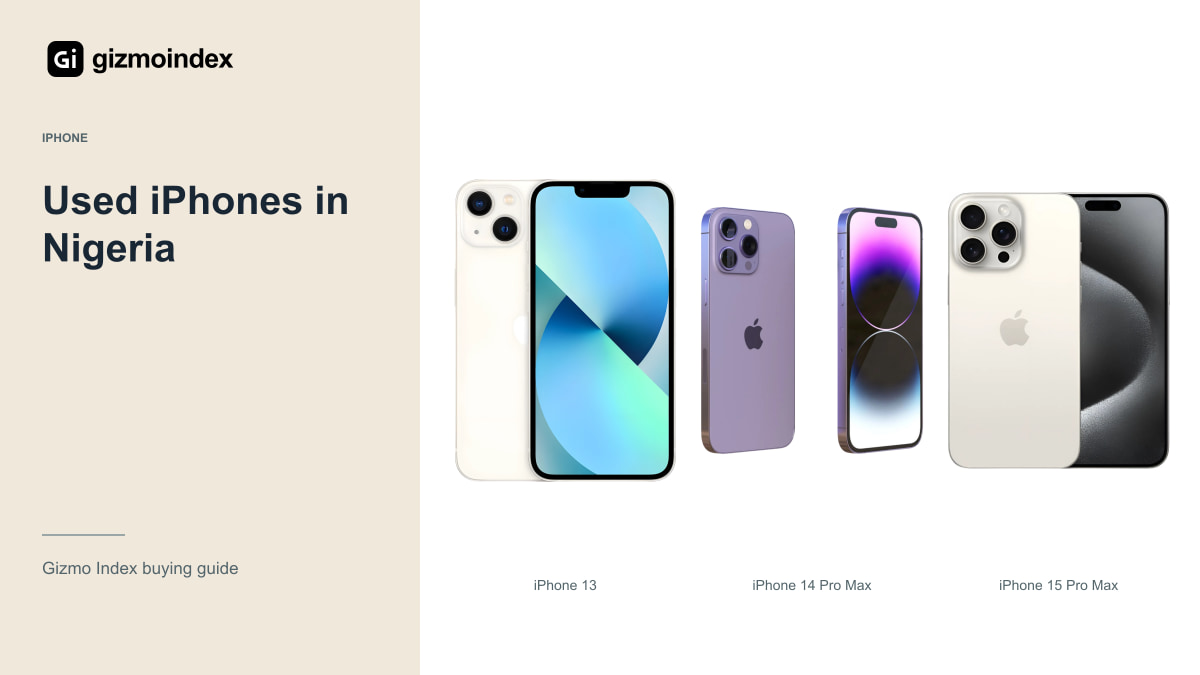
Buying a used iPhone in Nigeria can save money, but I’d choose the condition before the model name. A clean-looking Pro Max with a weak battery can be a worse buy than an older phone that’s been looked after properly. The deal is about the unit in front of you.
My starting picks are the iPhone 13, 14 Pro Max and 15 Pro Max, with the 16 Pro Max worth comparing when the budget goes further. Each has a different reason to be on the list. Let’s look at the screens, cameras, charging and everyday value so you can decide where the extra money actually helps.
iPhone 13
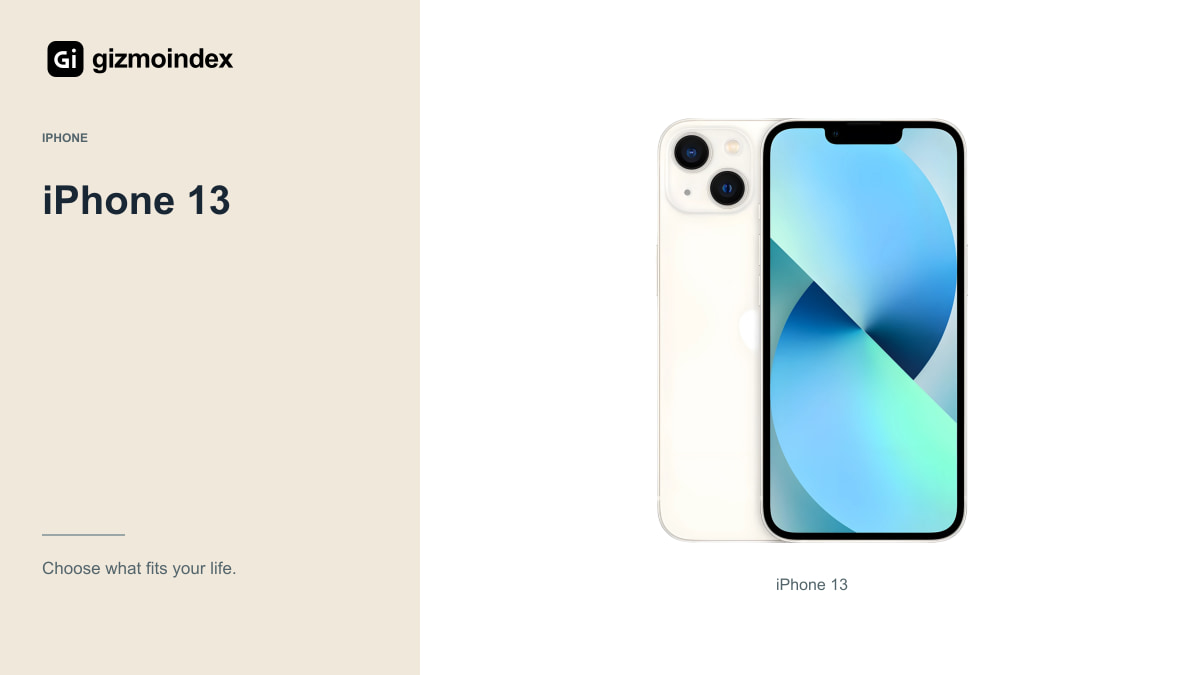
The regular 13 gives you A15 Bionic, a 6.1-inch OLED display and storage starting at 128GB. Those are useful basics for someone who wants messaging, social apps, navigation and ordinary photos without paying for a large Pro model.
It doesn’t have a dedicated telephoto camera or ProMotion. It also doesn’t support Apple Intelligence. If those are important, choose a model that actually provides them instead of expecting a software update to change the hardware.
For a used example, battery condition and repair history matter more than a small cosmetic mark. Compare a dependable 13 with the actual alternatives available at your budget. A cheap phone that needs immediate service may not remain cheaper after the work is done.
For someone who mainly wants calls, messages, social apps and family photos, a healthy older model can be enough. If you create video or care about zoom cameras, spending more may have a clear benefit. I like being able to explain that benefit before adding to the budget. It makes the purchase feel worthwhile after the excitement passes.
iPhone 14 Pro Max
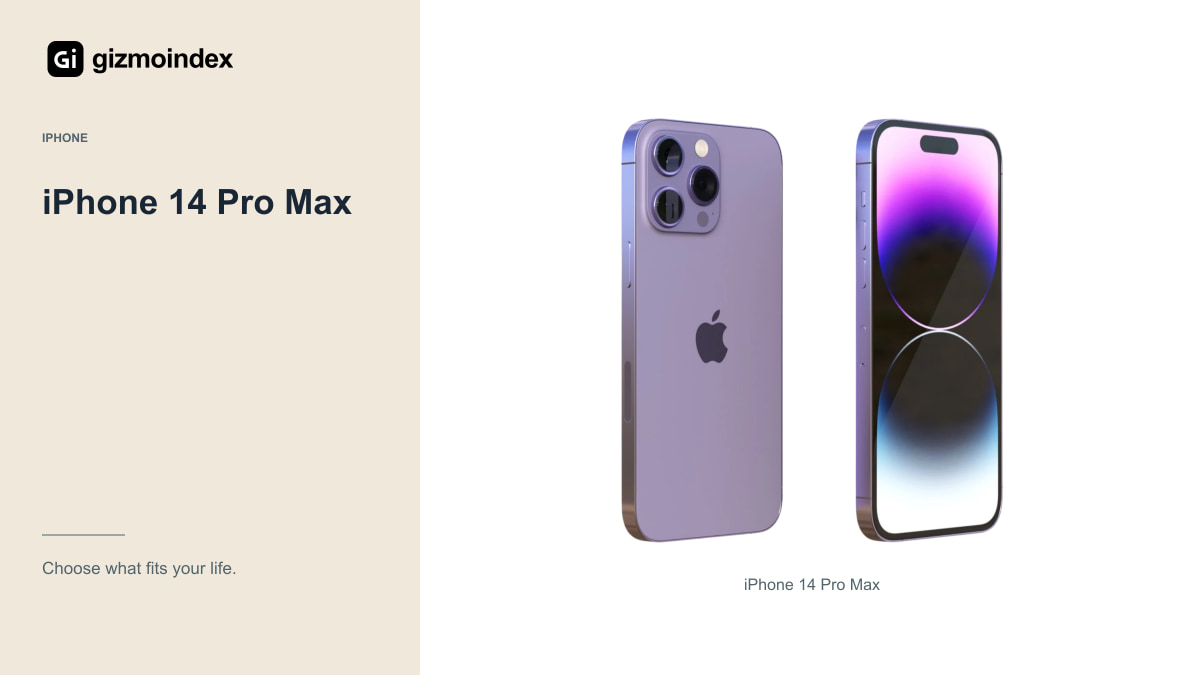
The 14 Pro Max offers a 6.7-inch ProMotion OLED display and a camera system with a dedicated 3x telephoto. It can be appealing when you want a large, smooth display and more framing flexibility than the regular iPhone 13 or 14.
The compromises are its 240g weight, Lightning connection and lack of Apple Intelligence support. Try holding it with a case before choosing it mainly because it’s a Pro Max. A large phone can be a benefit for video and a nuisance for everyday carrying.
Inspect the display and every camera carefully. A poor replacement screen or damaged telephoto can remove the features that made the phone attractive. I wouldn’t pay a Pro premium for a unit whose most important Pro parts are questionable.
iPhone 15 Pro Max
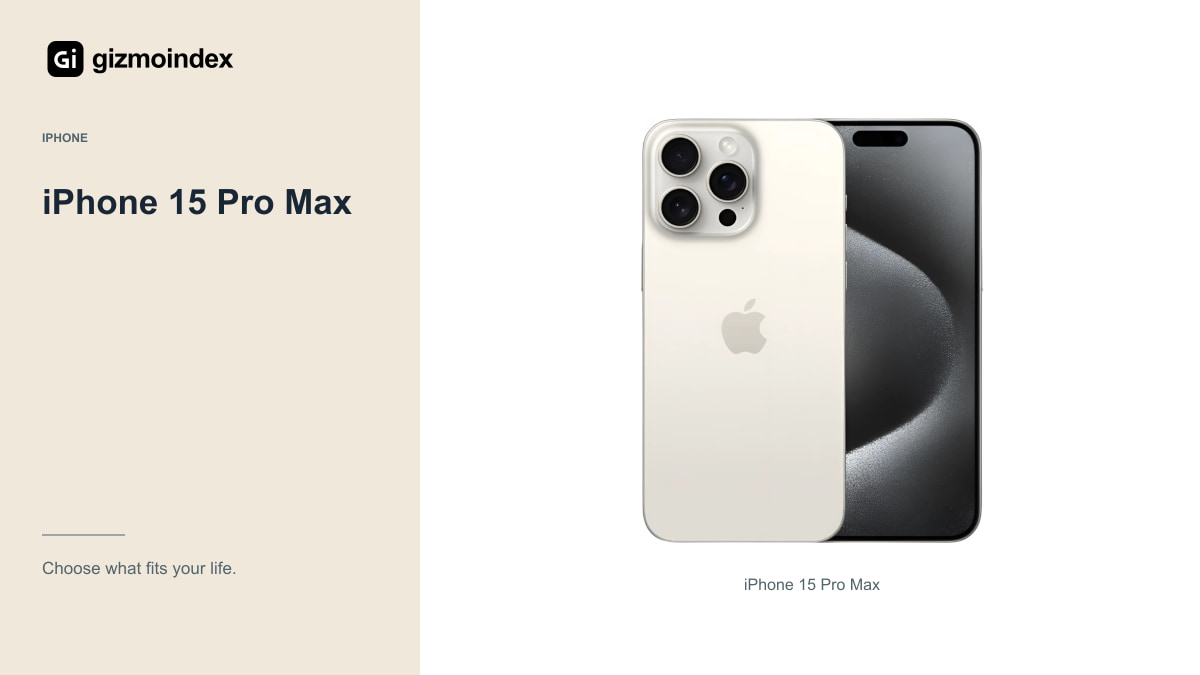
The 15 Pro Max adds USB-C, a dedicated 5x telephoto and a lighter 221g body. It’s also eligible for Apple Intelligence on compatible software, subject to regional and language requirements. Those differences can justify spending more than on a 14 Pro Max.
For creators, Log recording and supported external-recording setups are additional reasons to consider it. For ordinary users, sharing a charging connector with other devices may be the more useful improvement. You don’t need a professional setup to appreciate that convenience.
iPhone 16 Pro Max
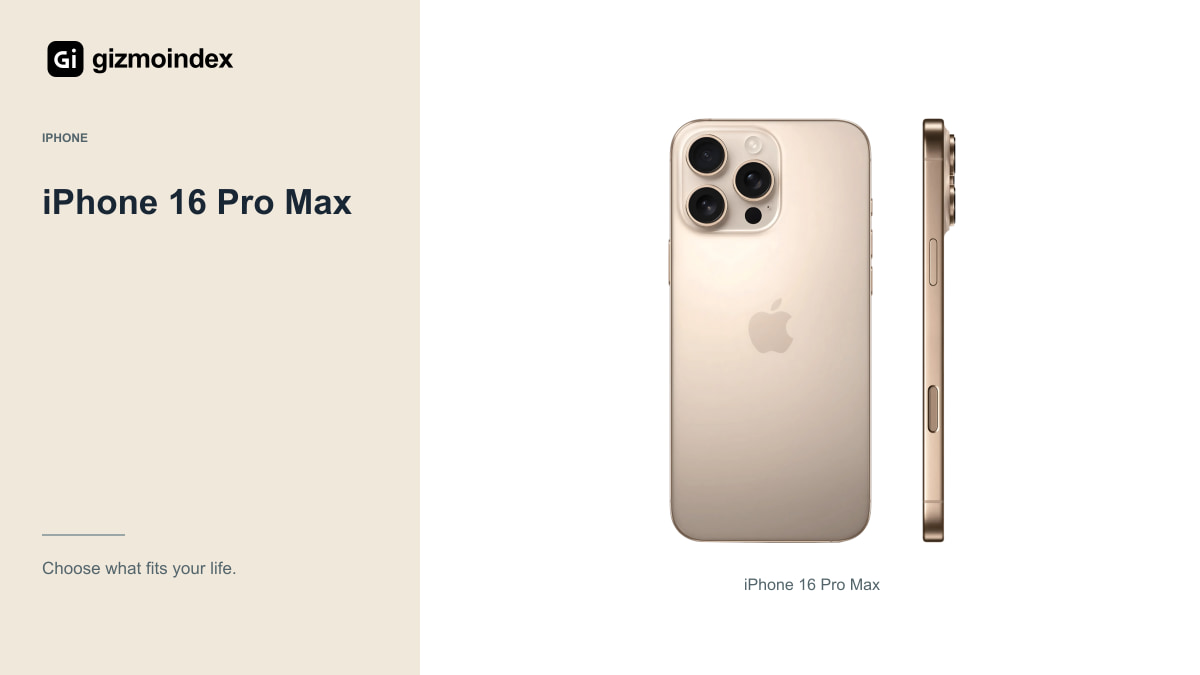
The 16 Pro Max has a larger 6.9-inch display, A18 Pro and additional camera capabilities. Apple’s original playback claims are also higher than the 15 Pro Max’s, but those controlled tests don’t predict a used unit’s exact endurance.
I’d consider it when the price difference is manageable and I want a newer large phone for several years. I wouldn’t stretch a tight budget just to reach it if that leaves no room for a dependable battery, charger or sensible support terms.
The best value can be a healthier older model rather than the newest damaged one. Compare the actual condition first, then decide whether the newer features matter enough to justify the remaining price gap.
The UK-used label
The label usually describes a claimed source or import category. It doesn’t prove how the phone was used, what repairs it received or whether every component is original. Ask the seller about the actual unit rather than treating the phrase as a quality certificate.
Refurbished is another label that needs detail. What was inspected, which parts were replaced, what battery standard is promised and who provides the warranty? A clear written answer is more useful than a general claim that the phone is clean.
For a remote purchase, request photographs of the actual phone and identifying details. Avoid relying only on promotional images. If you can’t inspect it personally, understand the return process and the payment protection available before handing over the money.
SIM and Activation Lock
Confirm the exact model and network-lock information. Regional SIM arrangements differ, and some US iPhones use eSIM only. Check your intended carrier’s support for the actual device rather than assuming every imported iPhone has the same physical SIM setup.
Make sure the previous owner has removed Activation Lock and complete setup far enough to detect an unexpected management restriction. A promise to remove a lock after you pay isn’t a good basis for buying a main phone.
Test calls and mobile data where practical, alongside Wi-Fi and Bluetooth. A phone that looks good on a home screen still needs to work as a phone on your network. Keep the model and purchase information with the receipt.
Condition and repairs
Test Face ID, touch response, cameras, microphones, speakers, buttons and charging. Review available parts-and-service information and ask about any warnings. Check the display at different brightness levels rather than only on a colourful wallpaper.
Look at battery information and charging behaviour. A displayed health percentage isn’t a complete repair history, and a fresh-looking body doesn’t prove a fresh battery. Add any necessary service to the total cost before comparing offers.
Apple’s current iOS 27 compatibility list includes these models as checked in October 2026, but future support dates should not be invented. Buy for current capability, actual condition and the years you realistically expect to keep the device.
My picks
I’d start with the iPhone 13 for a more affordable everyday iPhone. I’d choose the 14 Pro Max for the large ProMotion screen and its camera options, and the 15 Pro Max when USB-C and its extra features justified the gap. The 16 Pro Max is worth comparing if you can pay more without accepting worse condition.
I wouldn’t choose by the “UK-used” label alone. Ask what has been repaired, test the phone and get clear battery and return terms. A familiar market label doesn’t tell you whether a specific device is healthy.
My advice is to compare dated Nigerian offers with the same storage and similar condition. Then buy the model that does what you need without stretching into a questionable unit. A used iPhone should save you money and work reliably; it shouldn’t become a project you have to repair immediately.
Sources
iPhone 13 specifications · iPhone 14 Pro Max specifications · iPhone 15 Pro Max specifications · iPhone 16 Pro Max specifications · Apple used-iPhone checks · Apple current security releases · Apple Intelligence requirements
Related reading
iPhone 13 buying guide · iPhone 14 Pro Max guide · iPhone 15 Pro Max guide