
5 Phones You Can Buy Instead of the Samsung Galaxy S26 Ultra
Compare five Galaxy S26 Ultra alternatives by what you gain, what you give up and regional price, from the Pixel 11 Pro to camera-focused rivals.
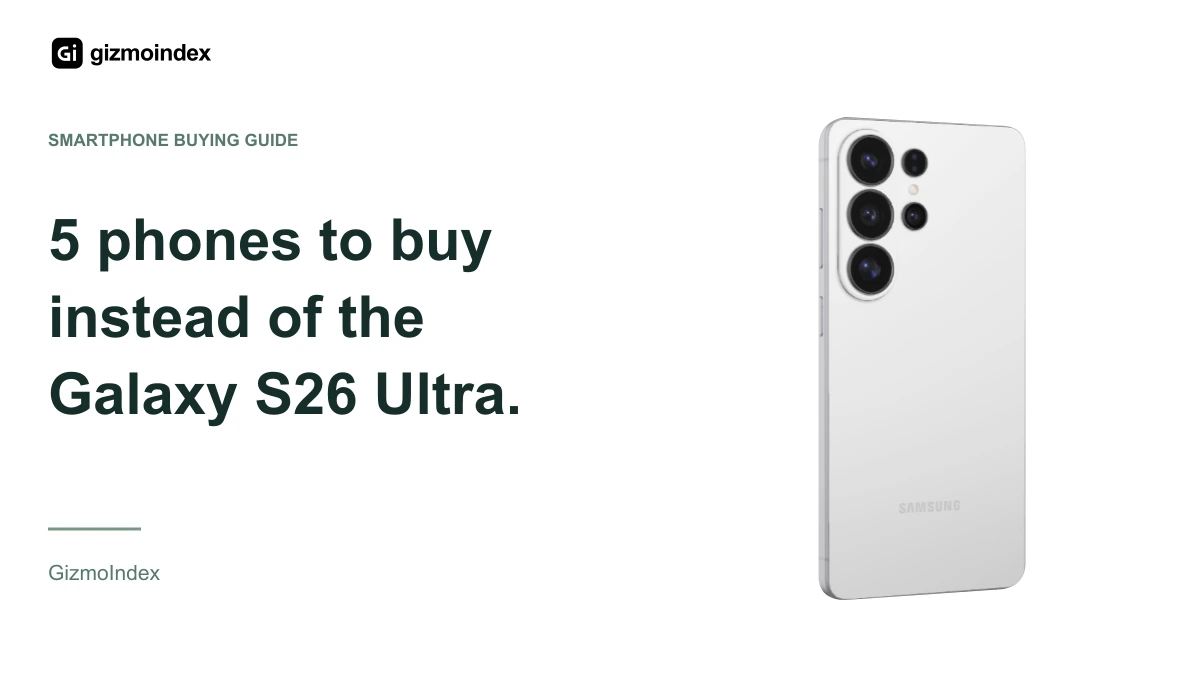
The Samsung Galaxy S26 Ultra is an easy phone to put at the top of a shopping list. The more useful question is whether you need its particular combination of features, or whether another phone would suit you better.
At a US launch price of $1,299.99 for 256GB, it is worth making that decision carefully. These five alternatives are not all cheaper in every country. They offer different reasons to spend your money elsewhere.
| Phone | Why consider it? | Main compromise | Price reference |
|---|---|---|---|
| Pixel 11 Pro | Smaller phone; front-camera 4K60 | 8K uses Video Boost | US starting: $1,099 / 256GB |
| OnePlus 15 | 7,300mAh capacity; busy filming days | Capacity does not prove recording runtime | Check local current offer |
| OPPO Find X9 Ultra | Distant subjects and 10x optical reach | 4K120 is lens-dependent | UK launch: £1,449 / 512GB |
| Xiaomi 17 Ultra | Portraits and product photography | Large 6.9-inch body | UK launch: £1,299 / 512GB |
| vivo X300 Ultra | Log video and deliberate framing | 35mm main is tight in a small room | China launch: CNY 6,999 / 256GB |
1. Google Pixel 11 Pro: choose it for a smaller premium phone
The Pixel 11 Pro is my first alternative for someone who likes a flagship camera setup but does not want to default to the biggest phone. You still get a rear telephoto camera in the smaller Pro model.
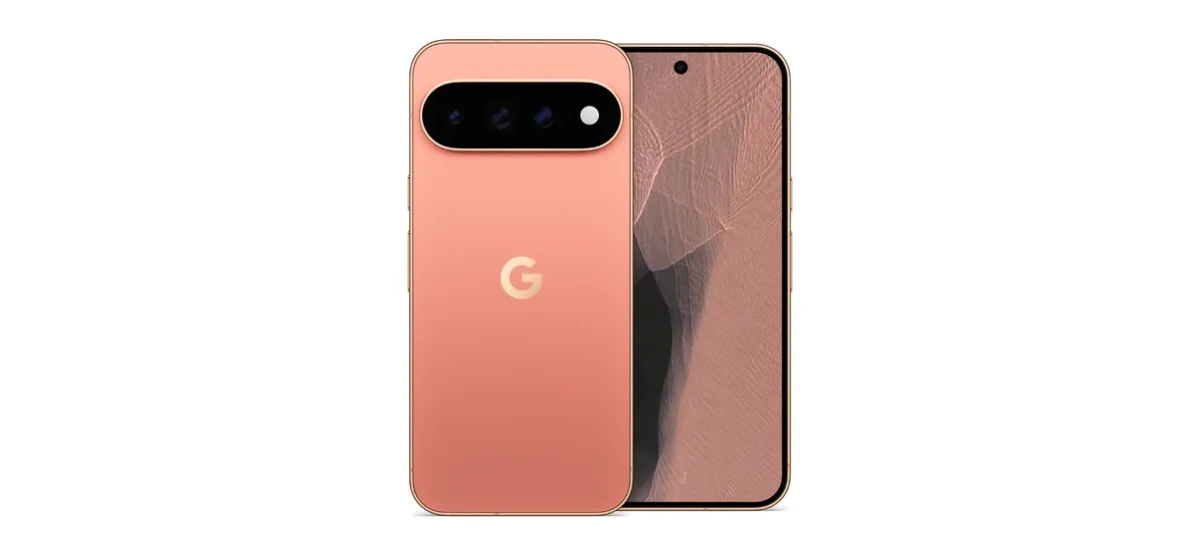
Google's $1,099 US starting price puts it below the S26 Ultra's launch price, but compare the storage tier you actually need. A cheaper entry configuration is not a saving if you immediately run out of space.
I would choose it if the size and Google software experience fit your routine. If you specifically want Samsung's pen-based features or already rely on its connected devices, factor that into the decision before changing brands.
What you change: you leave Samsung’s S Pen workflow for a smaller Pro with a 5x optical telephoto. That is a sensible trade for pocketability, but it is not a like-for-like replacement for pen-based work.
2. OnePlus 15: choose it for a different balance of priorities
The OnePlus 15 puts a large 7,300mAh battery at the centre of its appeal. For a buyer who spends long days navigating, recording and handling messages, that is a sensible reason to look beyond the Ultra.
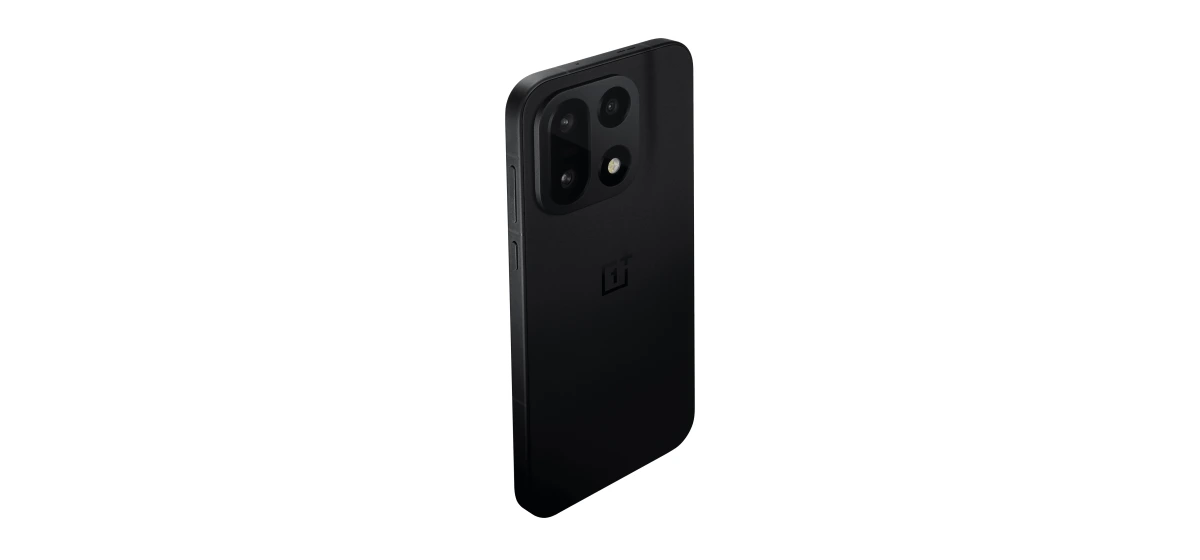
You also get advanced video options, including 4K 120fps Dolby Vision. The more important question is whether the overall camera system covers your normal shots. Do not choose between these phones using the battery number alone.
I recommend comparing the local OnePlus price, charging accessories and warranty with Samsung's actual checkout offer. Trade-in promotions can change the difference considerably, and an advertised maximum saving may not apply to the phone you own.
What you change: the 7,300mAh battery is the attraction, while Samsung’s S Pen is not part of this package. Choose around charging access and your daily workload; the capacity difference alone cannot establish a runtime winner.
3. OPPO Find X9 Ultra: choose it for camera flexibility
If the camera is the main reason you are buying an expensive phone, the Find X9 Ultra deserves a place beside the Samsung on your shortlist. It offers a broad camera setup and advanced video controls for people who want to do more than quick automatic clips.
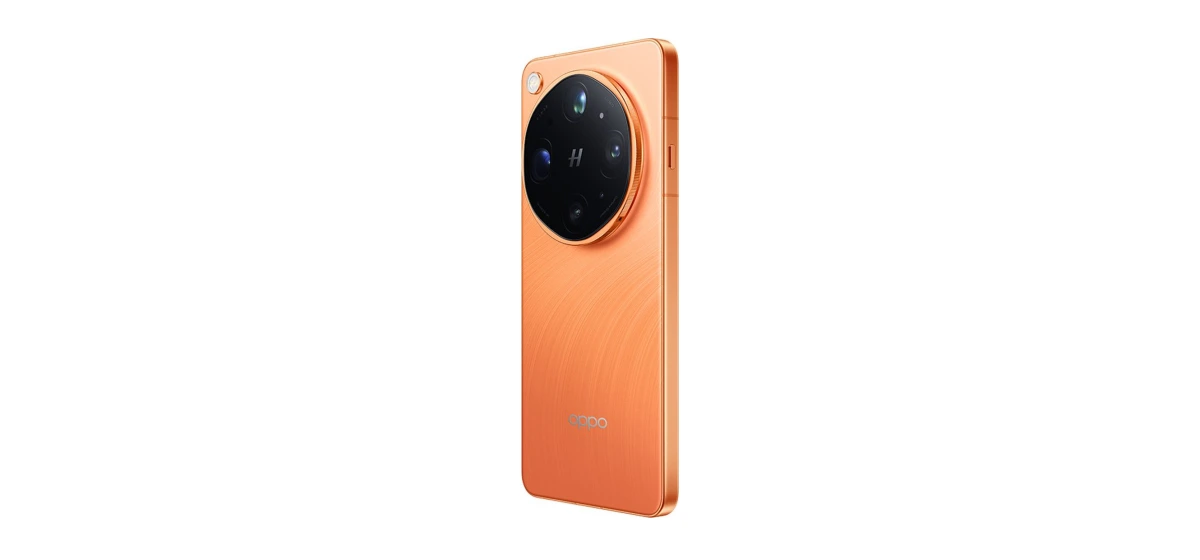
The practical benefit is flexibility across subjects. You might want one framing for a person, another for a building and a tighter view for a detail. Think about which of those you actually use each week.
I would not assume it is the cheaper option. Price and availability differ across markets, and imported offers need a careful look at repair support. Choose it for the camera approach, then confirm that the purchase itself makes sense.
What you change: the dedicated 10x optical lens is a specific reason to move away from Samsung when distant subjects matter. Its UK launch price of £1,449 for 512GB also makes clear that this is not automatically the cheaper choice.
4. Xiaomi 17 Ultra: choose it for a photography-first setup
The Xiaomi 17 Ultra takes a different route with its 75–100mm mechanical optical zoom. If you spend more time composing portraits and products than using productivity extras, that is a feature worth understanding.
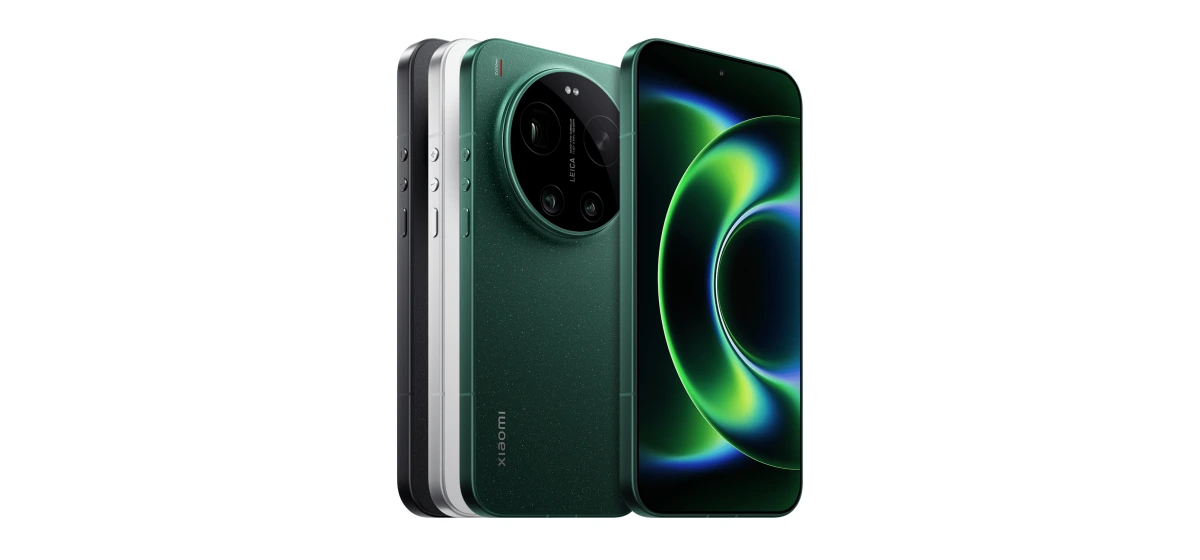
It gives you a useful telephoto range without turning every change in framing into a digital crop. Beyond that range, keep the difference between optical and digitally assisted zoom in mind.
My recommendation is to compare the ordinary phone price before looking at photography bundles. An accessory kit can make sense, but only when you know how it fits your shooting. A local version with a clear warranty is easier to recommend than a cheaper listing with vague regional details.
What you change: the mechanical 75–100mm telephoto range prioritises photographic framing over Samsung’s pen features. Its UK launch price was £1,299 for 512GB; compare the same storage and country before calculating a saving.
5. vivo X300 Ultra: choose it for a more involved video workflow
The vivo X300 Ultra is a strong alternative to investigate if you already colour grade and want more control over recording. Its video feature set includes Log options and high-frame-rate 4K capture.
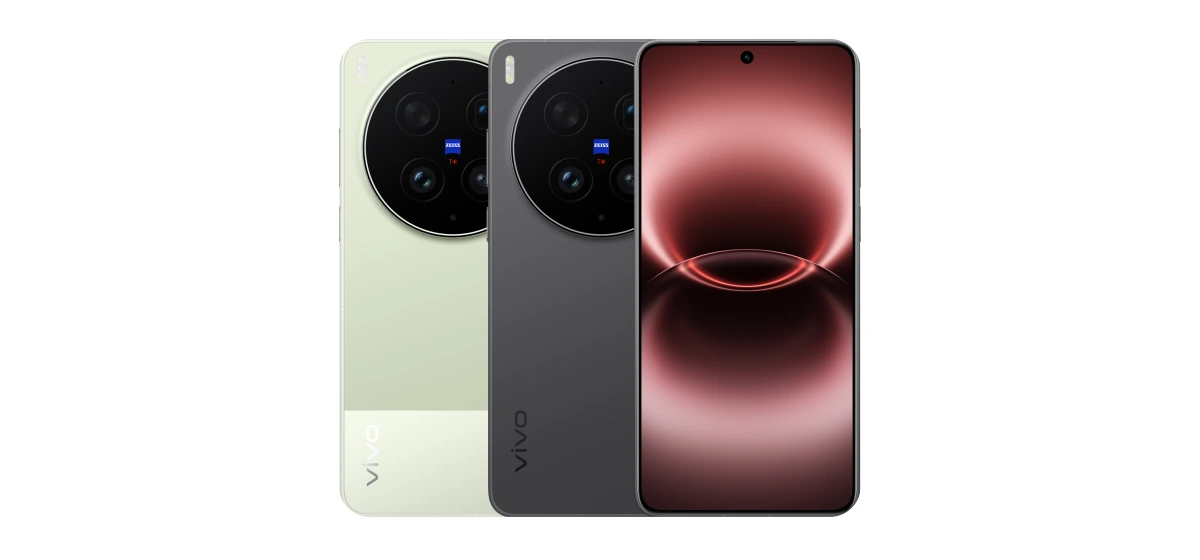
That approach suits planned content where you can manage files and spend time on the edit. For a quick social post, standard recording may be the more convenient choice. Buying a phone with professional modes does not mean every project needs to use them.
I would choose the vivo when those tools fit a workflow you already have or intend to learn. Confirm the available local model and accessory support before committing, especially if your setup includes an external microphone or a photography grip.
What you change: the 35mm main-camera perspective is tighter, so it suits deliberate people and product framing more than cramped-room self-recording. Its China launch price was CNY 6,999 for 256GB, which should not be presented as a US offer.
When I would still buy the Samsung
Keep the S26 Ultra on your list if its combination of cameras, screen, software and pen features is exactly what you want. There is no benefit in changing brands just to own something different.
Write down your three most-used features and compare those first. Then compare storage, full price, returns and local repairs. That gives you a better buying decision than treating every specification as equally important.
My verdict
The Pixel is my alternative for a smaller premium option; the OnePlus is worth a look for its battery-focused package. OPPO, Xiaomi and vivo are the more camera-led choices.
None of them is automatically better at everything. Buy the one whose strengths you will use, at a price and with support you are comfortable accepting.
Your questions answered
Are all five alternatives cheaper than the Galaxy S26 Ultra?
No. Local prices, storage and bundles can make some of them equally expensive or more expensive. Compare full regional prices rather than converting a foreign launch price.
Should I import a phone just to save money?
Only after checking network support, software region, taxes, returns and warranty. A lower advertised price can become a more expensive purchase once those details are included.