
iPhone 14 Pro Max vs iPhone 15 Pro Max in 2026
Compare iPhone 14 Pro Max and 15 Pro Max in 2026 for lenses, USB-C, feature eligibility and the condition of the actual phone being sold.
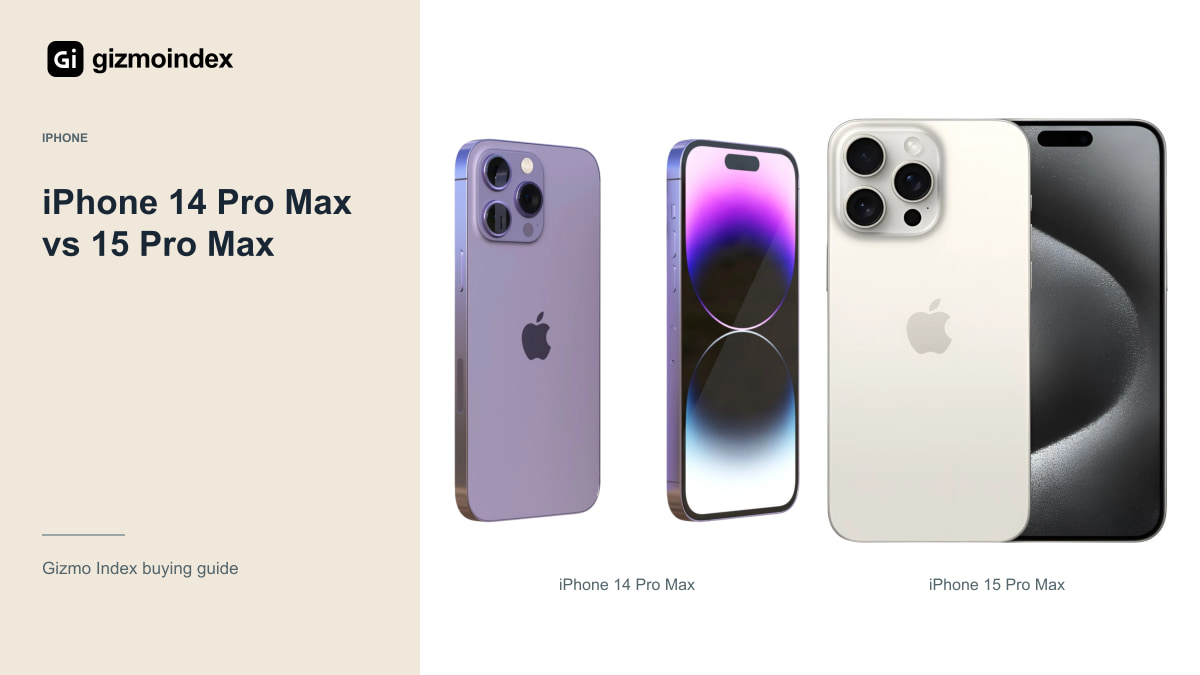
Choosing between an iPhone 14 Pro Max and 15 Pro Max in 2026? I’d lean towards the 15 when the price gap is reasonable. It’s lighter, switches to USB-C and gives you a 5x telephoto camera instead of the 14 Pro Max’s 3x option.
That doesn’t make the 14 Pro Max a bad phone. Its large ProMotion display and camera system are still attractive if it costs less and comes in better condition. Here’s how I’d compare the design, cameras, video, battery and software before deciding which older Pro Max is worth your money.
Design and weight
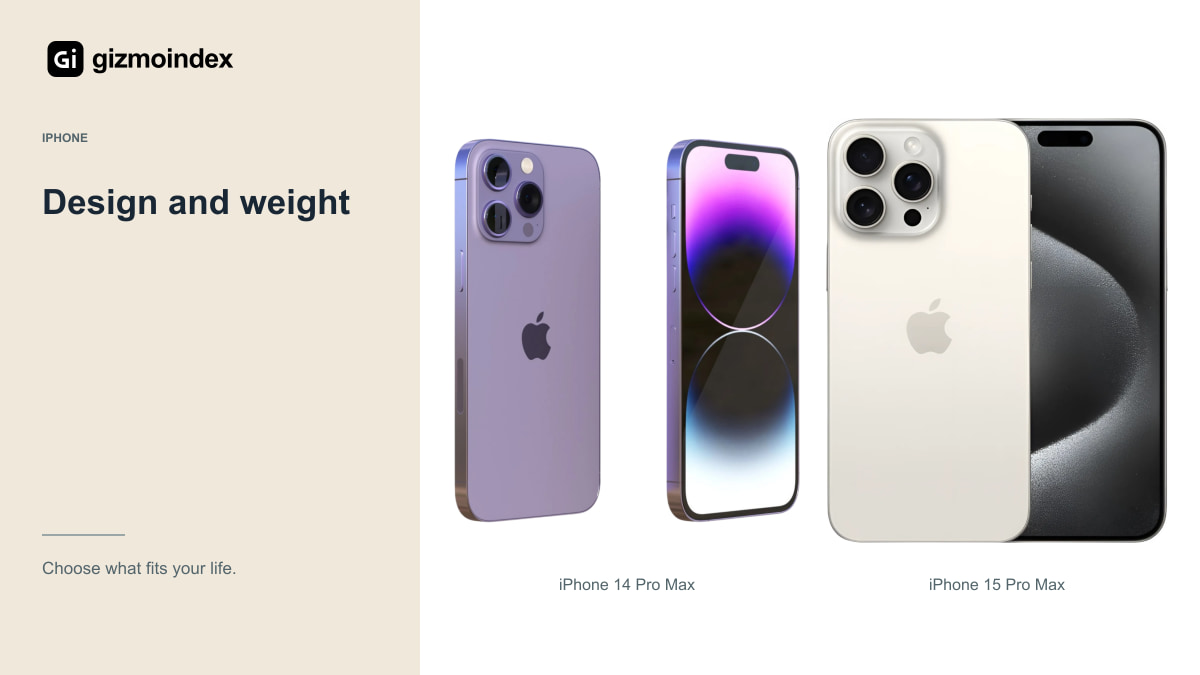
Both have 6.7-inch OLED displays with ProMotion reaching 120Hz. Apple lists the 14 Pro Max at 240g and the 15 Pro Max at 221g. That 19g difference is worth considering on a phone you hold many times a day.
The 15 Pro Max also uses a titanium design rather than the 14 Pro Max’s stainless-steel frame. I’d still try both with a case, because the shape and the way you grip the phone matter alongside the bare weight.
If your complaint about a large phone is reach rather than weight, neither becomes a compact device. Check one-handed use, pocket fit and comfort during a long reading session. A newer material is useful only if the whole phone remains pleasant for you to carry.
The difference between 3x and 5x isn’t simply that one number wins. A tighter camera view can be useful for distant subjects, while a shorter one may suit the way you normally frame people. I’d look at the kinds of photos already in my gallery before paying extra for reach I might barely use.
Cameras and zoom
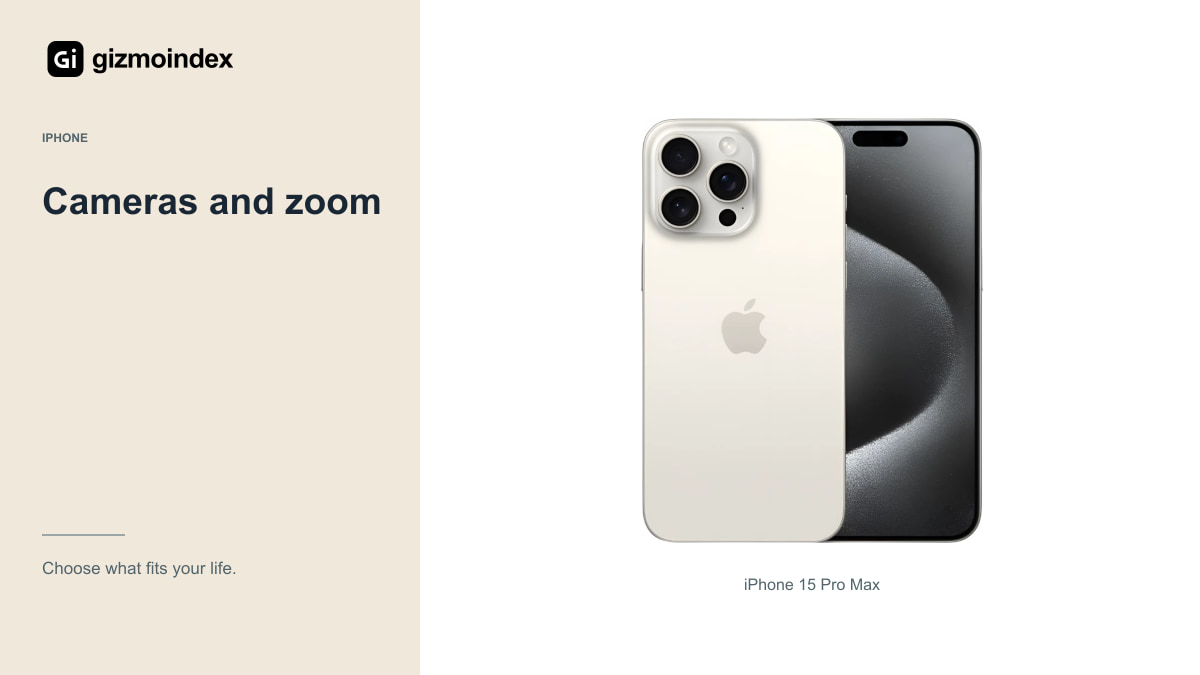
The 14 Pro Max has a dedicated 3x telephoto camera, while the 15 Pro Max has a dedicated 5x telephoto. Both also offer a high-resolution main camera and an Ultra Wide. The extra reach can be useful, but it doesn’t mean every focal length is automatically better on the 15.
Think about what you photograph. Distant details can make the 5x camera attractive. Indoor portraits, food and everyday people may involve different distances and framing. I wouldn’t pay extra for a zoom number without considering the subjects I actually shoot.
For a used phone, test every camera and review the saved images. Check focus, stabilisation and lens condition. A damaged telephoto or a poor repair can erase the reason you chose a Pro Max in the first place. The camera comparison needs to include the actual units, not only Apple’s original specification.
USB-C vs Lightning
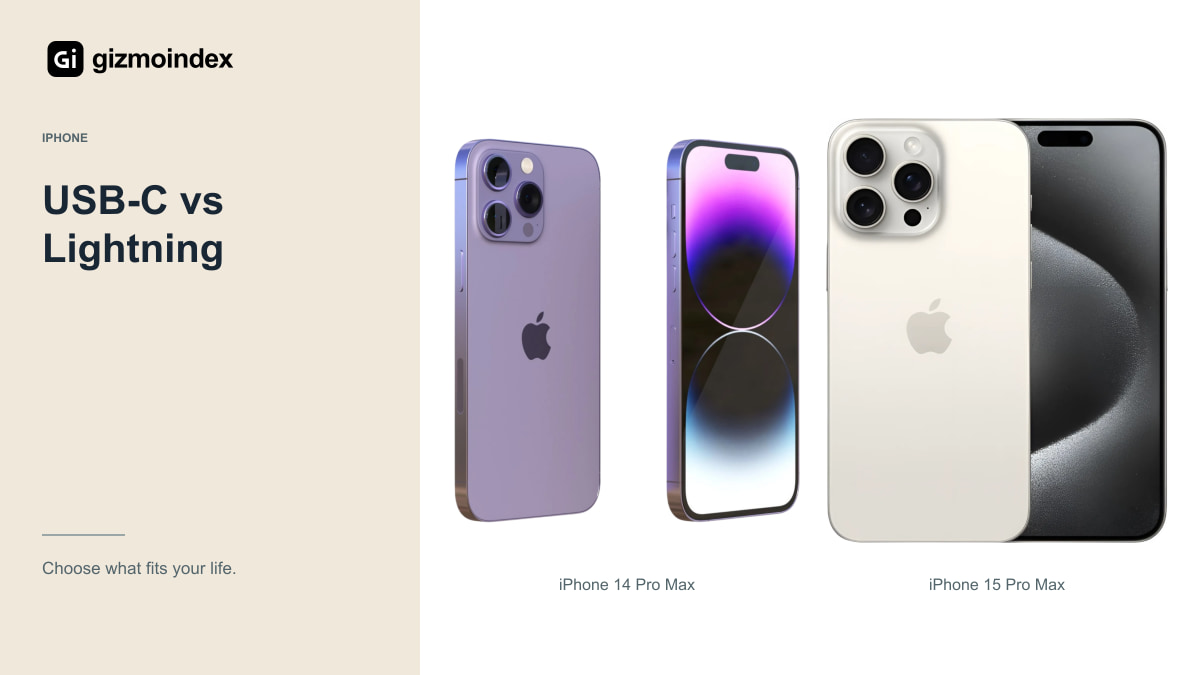
The 14 Pro Max uses Lightning. The 15 Pro Max uses USB-C and supports USB 3 data transfer with a suitable cable. Sharing a charging connector with a laptop or tablet can be convenient even if you never record professional video.
For moving large files, the data capability matters as well, but check the cable. A USB-C cable designed mainly for charging may not provide the fastest transfer rate supported by the phone. The connector shape doesn’t tell the whole story.
If you already own Lightning accessories that work well, the transition may have a cost. Include any replacement cable, microphone adapter or other equipment in the comparison. USB-C is useful, but you should understand the complete change rather than treating every old accessory as immediately worthless.
Video
The 15 Pro Max supports Log recording and ProRes up to 4K at 60fps with external recording. That can be valuable in a deliberate editing setup. It isn’t an automatic improvement for every person who records a short clip directly into a social app.
The 14 Pro Max also supports ProRes, with recording limits that depend on configuration. Check the exact storage model and Apple’s supported modes rather than assuming every 14 Pro Max records identically. High-bitrate video can also use storage quickly.
Before paying for these features, try the complete process: record, transfer, edit, grade where needed and export. If you don’t want that setup, ordinary video capabilities may matter more than the professional format list. I’d rather spend on good audio and lighting than pay for recording modes I’ll never use.
Apple Intelligence
The 15 Pro Max’s A17 Pro platform is eligible for Apple Intelligence on compatible software. The 14 Pro Max’s A16 platform isn’t. Availability still depends on the feature, language and region, so confirm what works for you.
That distinction can justify choosing the 15 if a specific supported feature is important. It should not become a vague promise that AI will fix every part of the phone experience or make ordinary apps feel entirely different.
Both models are included in Apple’s current iOS 27 compatibility information as checked in October 2026. Current OS support and hardware-dependent features are separate questions. Neither should be described using an invented future software retirement date.
Battery
Apple originally rates both models for up to 29 hours of local video playback and 25 hours of streamed playback. Those matching claims don’t prove two used examples will last equally long in your daily routine.
Battery wear, repairs, signal conditions, settings and applications can change the result. Check the battery information and the seller’s standard, then test charging and ordinary behaviour. A newer model with a badly worn battery may be less convenient than a healthier older one.
If either needs service, add that cost before judging the deal. A bargain that immediately requires a battery and charging-port repair is a different purchase from a clean refurbished phone with clear support. Compare the amount needed to make each device dependable.
Which one I’d buy
The 15 Pro Max would be my first choice when both phones were in similar condition and the extra price was manageable. I like the lighter body and USB-C, and the 5x camera is a real reason to prefer it if you use that longer view. Apple Intelligence support also separates it from the 14.
I’d choose the 14 Pro Max when the saving was large enough and its screen, cameras and 3x lens already covered what I wanted. I’d much rather have a dependable 14 than stretch to a 15 with a weak battery or unexplained repairs.
Compare the actual units, rather than choosing from a specification sheet alone. The 15 brings useful improvements, but the 14 can still be the better deal. My money would follow the condition and the price gap, with USB-C making the 15 easier to recommend when everything else is close.