
Should You Buy the iPhone 12 in 2026?
Consider iPhone 12 in 2026 with current iOS compatibility, app requirements, battery and repair checks, rather than an invented support expiry.
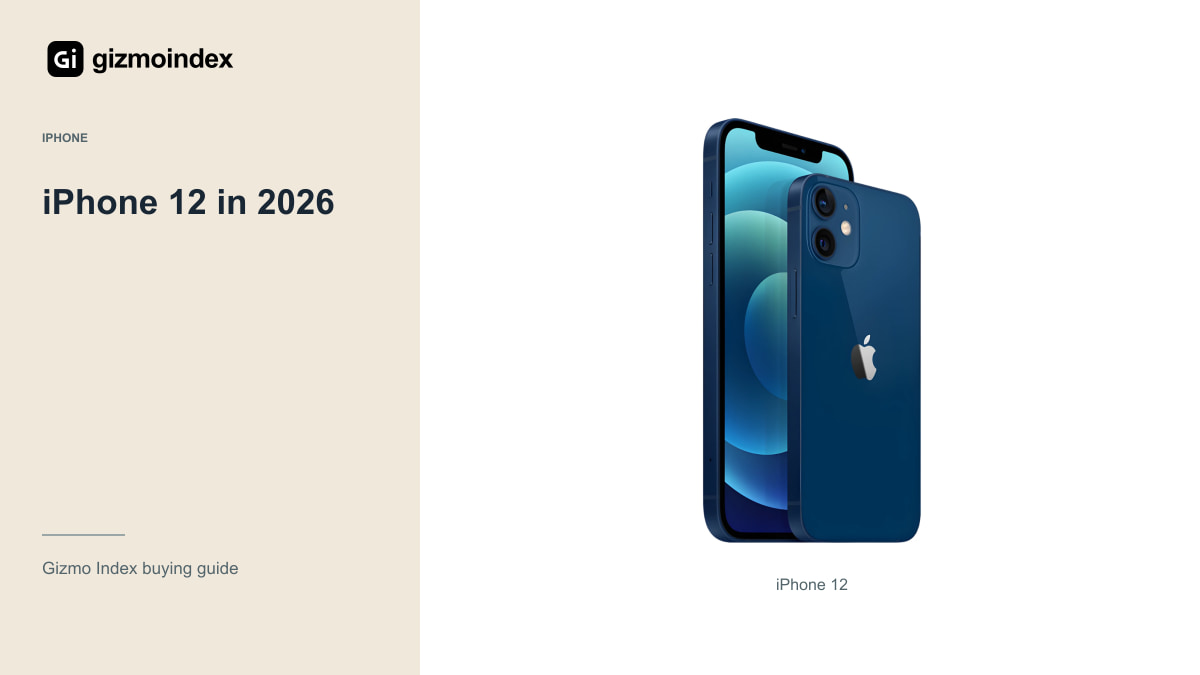
The iPhone 12 can still do ordinary phone jobs in 2026, but I’d buy it carefully. The OLED screen, 5G and familiar iPhone experience remain appealing at a low enough price. The bigger concern is the age and condition of the particular phone you find.
I’d compare the iPhone 13 before paying, especially if the price gap is small. Battery wear, storage and repair costs can make a cheap 12 less attractive than it first looks. Here’s where the older model still makes sense and where I’d spend a little more.
Software updates
As checked in October 2026, Apple’s official iOS 27 compatibility list includes the iPhone 12. It would be wrong to say the phone has already lost current iOS support simply because it launched in 2020.
That doesn’t mean every new feature is available. Hardware-dependent capabilities can require a newer phone, and Apple Intelligence isn’t supported on the iPhone 12. Check the feature you care about rather than treating an iOS version number as a promise of complete feature equality.
It also doesn’t establish how many future major releases the phone will receive. Apple has not provided a universal fixed retirement date for this model’s software. Buy it for what it supports now and the condition it’s in, not a seller’s guess about another five years of updates.
An older phone can look perfectly fine while needing attention in the places you notice most. A weak battery interrupts the day; unreliable charging becomes a daily irritation. I’d rather buy a slightly less tidy-looking unit with a clear history than a glossy one with problems the seller doesn’t explain.
Display and everyday use
The iPhone 12 has A14 Bionic, 5G support and a 6.1-inch OLED display. For messaging, browsing, navigation and ordinary photographs, those are still useful ingredients. You don’t need the newest Pro Max simply to use the core iPhone experience.
Its display doesn’t offer the ProMotion experience of newer Pro models. If smooth high-refresh scrolling is important to you, try the difference before buying. Someone coming from an older basic phone may have different expectations from someone replacing a recent flagship.
Storage deserves particular attention. The iPhone 12 starts at 64GB, while the regular iPhone 13 starts at 128GB. A cheap 64GB unit can become frustrating if you keep large apps, offline video and years of photos locally. Compare the capacity you actually need rather than the cheapest listing in each generation.
Battery
Apple’s original claim was up to 17 hours of local video playback and 11 hours of streamed playback. Those figures describe a new phone under test conditions. They don’t tell you what a specific used iPhone 12 will do after years of use.
Check the battery information, any service warnings and the seller’s battery standard. A displayed percentage is useful, but it isn’t a complete history or proof that every repair used an appropriate component. Ask what has been replaced and what coverage is included.
If it needs a battery soon, include a proper service quote in the purchase cost. The price gap to an iPhone 13 or another newer phone may shrink once that repair is added. I’d rather buy a dependable unit than celebrate saving money before immediately paying for maintenance.
Cameras
The rear camera system gives you a main and an Ultra Wide camera. It doesn’t include a dedicated telephoto camera, so don’t expect the same optical framing options as a Pro model with an extra zoom camera.
For everyday daylight photos and video, a healthy iPhone 12 can still do useful work. That’s different from claiming it matches every newer iPhone in difficult light or demanding video setups. If the camera is your main reason for buying, compare results relevant to your own subjects.
Inspect the lenses for damage and test both cameras. Record a short video, check focus and listen to the microphone. A seller showing one successful photo has not demonstrated the whole system. Also test the front camera and Face ID, because a damaged TrueDepth system can change the value of the phone substantially.
iPhone 13 as an alternative
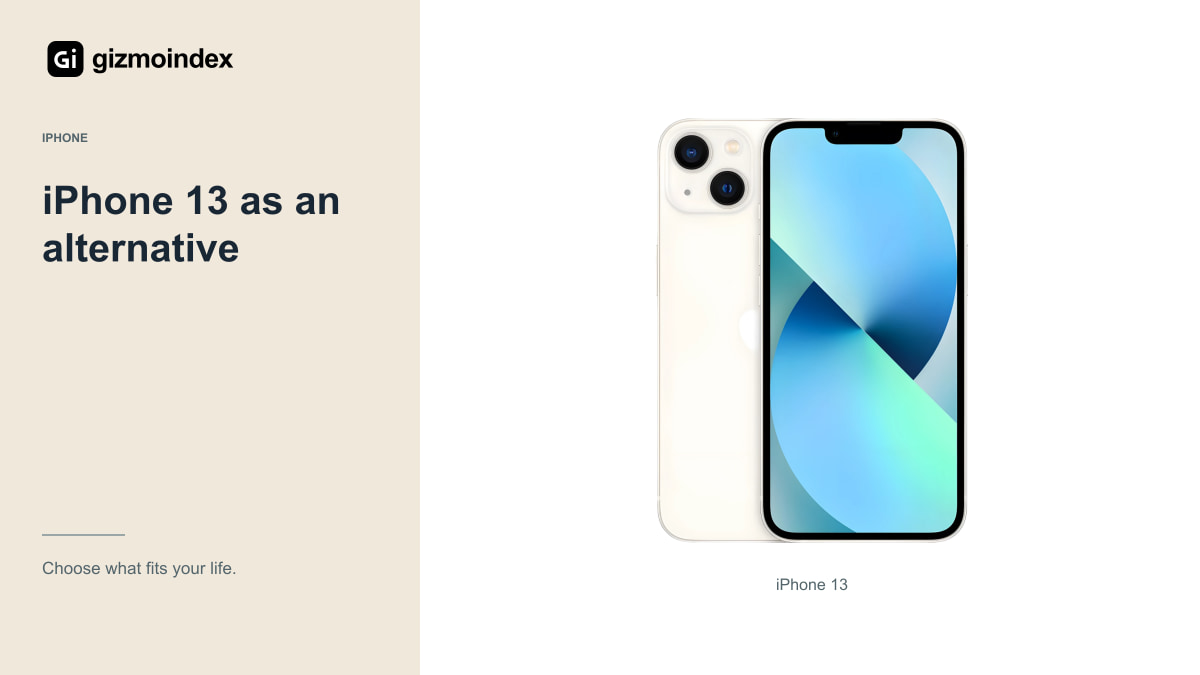
The regular iPhone 13 brings A15 Bionic, a larger base-storage option and a higher original battery-playback claim. Those are practical reasons to compare it, especially when the asking-price difference is small.
Condition still matters more than a simple generation rule. A heavily damaged iPhone 13 isn’t automatically better than a clean, properly supported iPhone 12. Compare the actual units, repair needs and return terms.
The point is to avoid saving a little at the start and losing more through storage frustration or immediate servicing. If you can comfortably afford a healthier newer model with a clear warranty, that may be the better long-term purchase. If the iPhone 12 is substantially cheaper and fits a modest role, its case becomes stronger.
Buying used
Confirm the model and storage in Settings, then check network-lock status and the SIM arrangement. Use the phone on the network you intend to use where practical. An “unlocked” claim should describe the actual device, not the seller’s general stock.
Make sure the previous owner has removed Activation Lock and that setup doesn’t reveal an unexpected organisational-management restriction. Don’t accept a promise that an account lock will be removed later after payment.
Inspect buttons, speakers, microphones, charging, Wi-Fi, Bluetooth and the touchscreen. Review any available parts-and-service information and ask about repairs. Water resistance can be affected by wear and service history, so don’t buy an old phone on a promise that it’s safely waterproof.
My verdict
I’d only choose the iPhone 12 when the saving was clear and the unit was healthy. It can still cover messaging, calls, browsing and everyday photos, so there’s no need to pretend it has become useless. But a low price has to leave room for its age.
If a comparable iPhone 13 costs only a little more, that would be my first alternative. I’d also prefer enough storage for normal use over buying the cheapest version and constantly clearing space. A phone you use every day shouldn’t feel cramped from the start.
My advice is to judge the actual device. Check its battery, screen, cameras, charging and account status before paying. The iPhone 12 is a budget purchase in 2026, and I’d treat it that way: useful when the condition and total cost work, rather than a bargain simply because it says iPhone.