
Best iPhones Under $700 in 2026
Explore iPhones under $700 with dated US refurbished-price examples, configuration checks and a clear separation from local delivered offers.
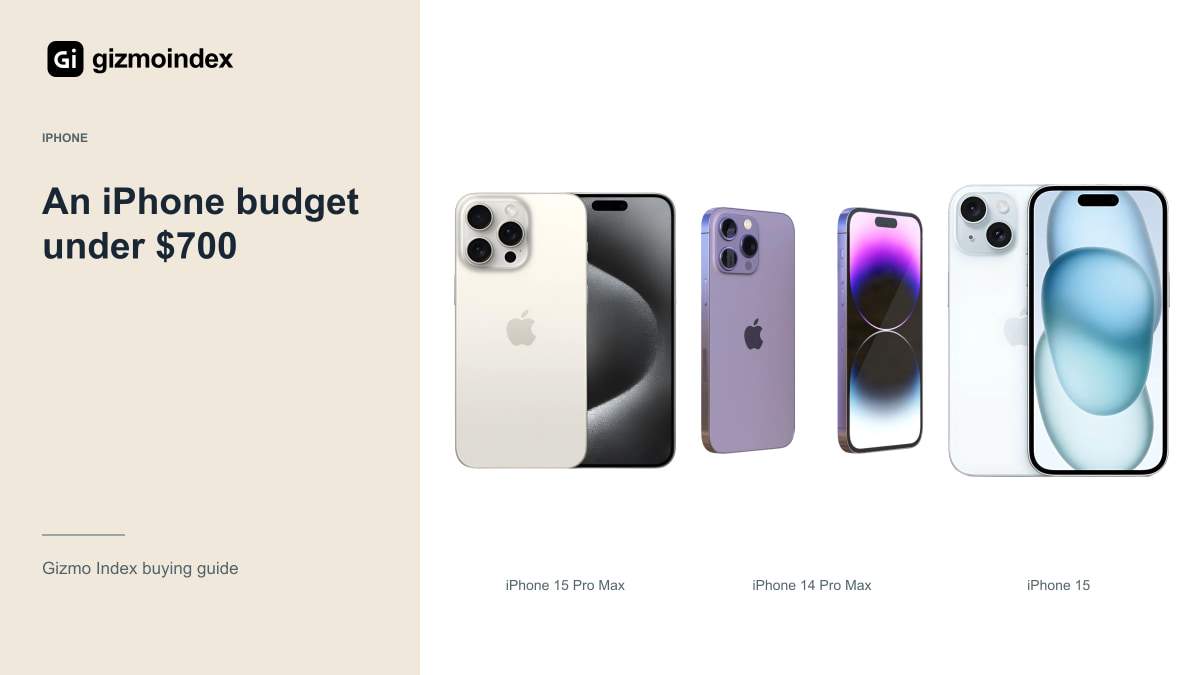
Have about $700 for an iPhone in 2026? I’d start with a good iPhone 15 Pro Max before automatically buying the newest base model I could afford. Its cameras, large display and USB-C still give you plenty for the money when the condition is right.
The iPhone 14 Pro Max and regular iPhone 15 are also worth comparing if you want to spend less. The prices below are dated US refurbished examples checked on 21 October 2026, not permanent prices or worldwide offers. Here’s what I’d choose at each level and what I’d want to know before buying.
The checked prices
On 21 October 2026, Back Market’s US pages showed starting prices before trade-in of $613 for an unlocked 256GB iPhone 15 Pro Max, $464 for an unlocked 128GB iPhone 14 Pro Max and $391 for an unlocked 128GB iPhone 15. These are refurbished-listing snapshots, not worldwide prices or guaranteed final totals. 15 Pro Max listing, 14 Pro Max listing, iPhone 15 listing.
Condition, battery selection, storage, colour and seller can change the amount. Taxes and any applicable delivery costs also belong in your $700 limit. An upgraded battery or premium condition can move a specific option above the budget even when the starting price is below it.
Use those figures to understand the market, then check the exact offer available to you. I’d rather buy the right condition and support package than choose a phone solely because a search result shows the lowest possible configuration.
If a phone is labelled Fair, the word should tell you something specific about that seller’s grading. It doesn’t automatically describe the battery or the repairs. I like a listing that separates the cosmetic grade from the battery standard, because scratches and a short runtime affect ownership in very different ways.
iPhone 15 Pro Max
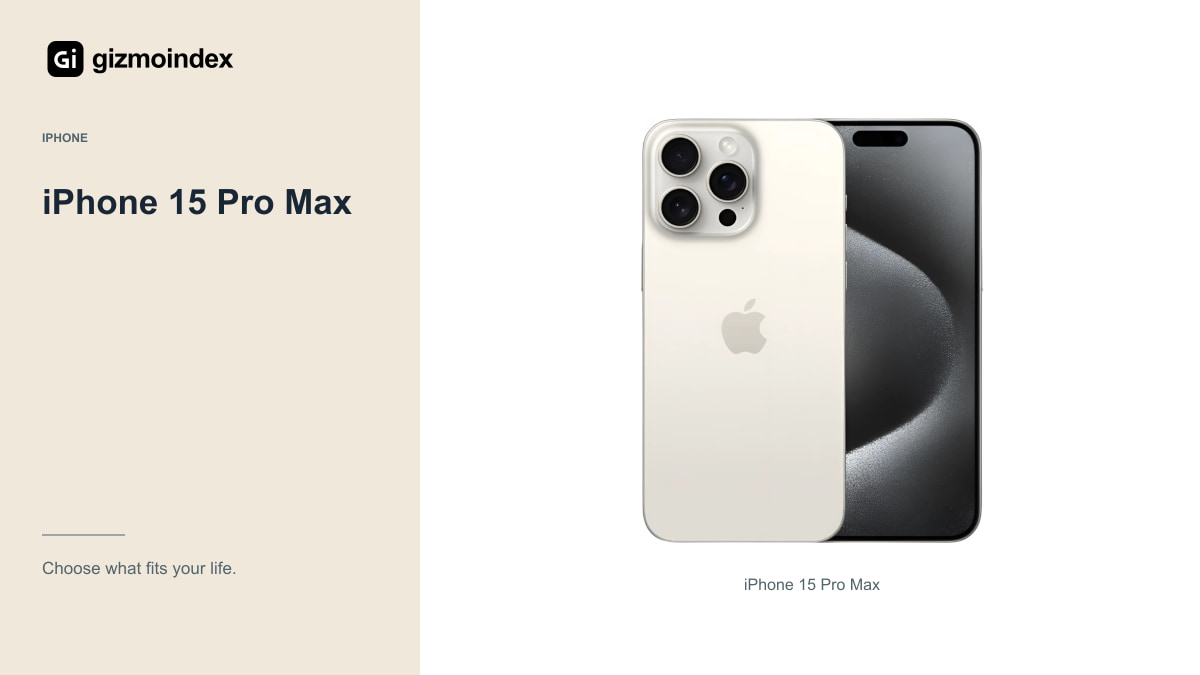
The 15 Pro Max gives you a 6.7-inch ProMotion OLED display, A17 Pro, USB-C and a dedicated 5x telephoto camera. It’s also eligible for Apple Intelligence on compatible software, with the usual feature, language and regional requirements.
That combination is appealing if you want the large screen and camera flexibility. USB 3 transfer support and Log recording can also matter for a deliberate video setup. They don’t have to be the reason you buy it, but they distinguish it from the older 14 Pro Max.
I’d check battery policy and repair history carefully. At the checked retailer, some battery and condition selections exceeded $700. The starting price doesn’t mean every version fits. Keep enough budget for the exact condition you want rather than stretching to a phone that immediately needs service.
iPhone 14 Pro Max
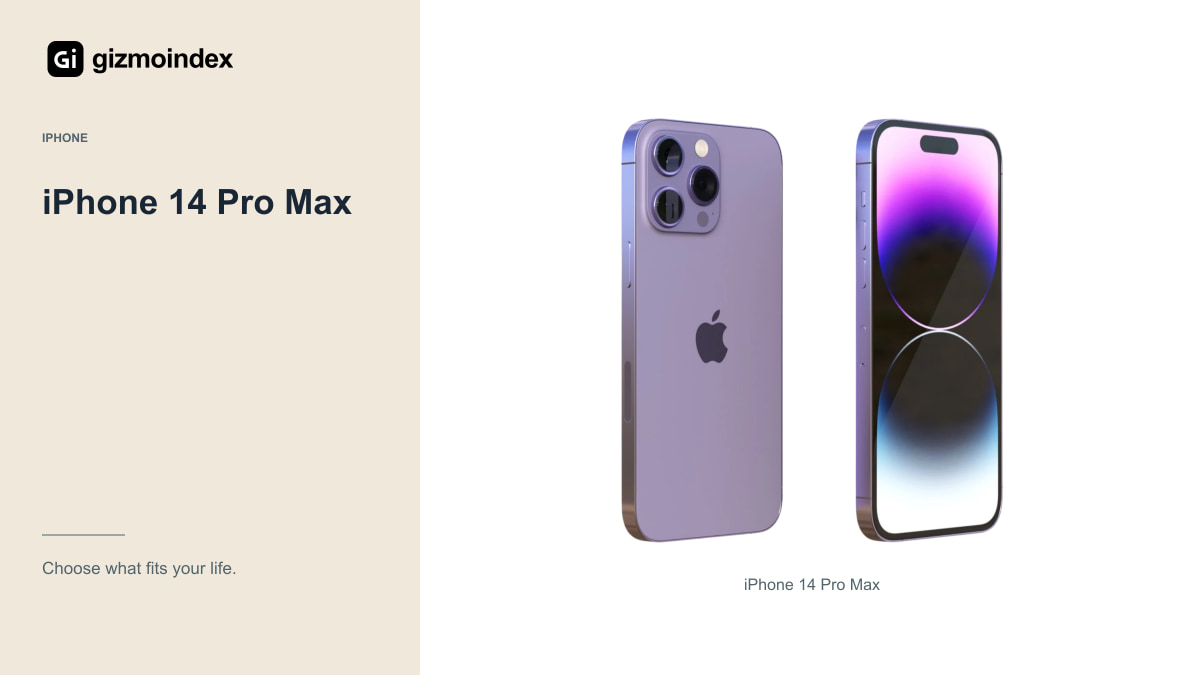
The 14 Pro Max still offers a 120Hz ProMotion display and a flexible camera system with a dedicated 3x telephoto. For someone who wants a large Pro screen and doesn’t need the 15’s creator setup, a substantial saving can make sense.
The compromises are clear. It uses Lightning, doesn’t support Apple Intelligence and is heavier than the 15 Pro Max: Apple lists 240g against 221g. Try holding it with a case before deciding the lower price settles everything.
The checked starting listing also had less storage than the 15 Pro Max reference. Compare the capacity you actually need. A larger-capacity 14 Pro Max with a better battery package may narrow the apparent saving, so do the complete comparison before calling it the better deal.
Regular iPhone 15
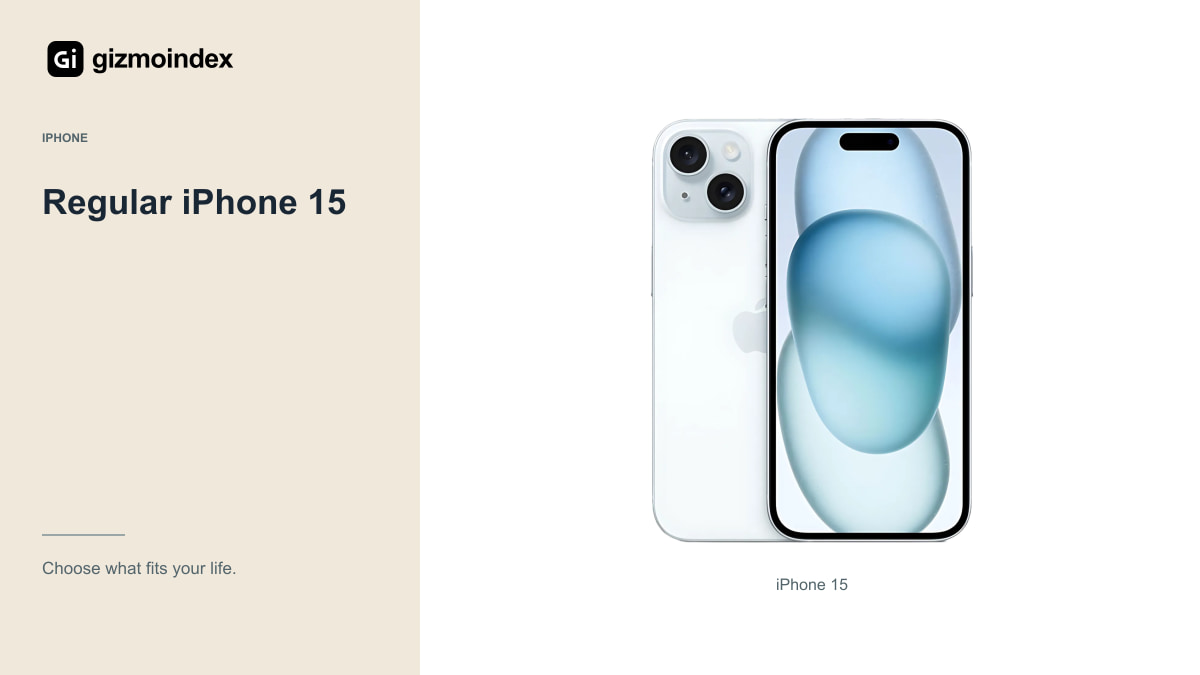
The regular iPhone 15 is worth considering if you don’t need a Pro Max’s size, dedicated telephoto or high-refresh display. It has USB-C, a high-resolution main camera and a more manageable body for everyday use.
It doesn’t have ProMotion or the Pro models’ full camera and video feature set. It also doesn’t support Apple Intelligence. Those are sensible reasons to choose a Pro if they matter, not reasons to dismiss the ordinary phone for someone whose routine is simpler.
What I like about this option is the room left in the budget. A healthy phone, useful storage, a clear return policy and some money retained can be a better result than spending every dollar on the largest older flagship you can find.
Refurbished grades
Check what the seller’s condition labels mean. Cosmetic grading, battery standards and replacement-part policies are separate questions. A phone can look excellent and still have a battery standard you’d not choose, or show visible wear while functioning well.
Read the return period and warranty for the specific seller and country. A platform’s general description is helpful, but your order should identify the actual product and terms. Keep the listing and invoice so there’s a clear record of what you agreed to buy.
I’d also check whether the price assumes trade-in, financing or a carrier arrangement. This guide’s snapshot uses the amounts shown before trade-in, but another offer may work differently. Compare cash totals rather than a monthly figure that hides the full cost.
Buying used
Confirm model, storage, network-lock information and regional SIM support. Some imported iPhones use eSIM only, so match the actual unit to your carrier before assuming it works like the phone you’re replacing.
Make sure previous-owner Activation Lock is removed and that setup doesn’t reveal an unexpected management restriction. Test Face ID, cameras, microphones, speakers, buttons, touchscreen, charging and wireless connections. Review available parts-and-service information and ask about anything unclear.
Battery information is useful, but it isn’t the only test. Watch charging behaviour and use the phone normally during the return period. A good purchase should remain convincing after the initial excitement, not only while the seller is showing the home screen.
My picks
My first choice near this budget would be a healthy iPhone 15 Pro Max. I’d choose the 14 Pro Max to keep more money while still getting the large Pro screen and camera options. The regular 15 is the one I’d consider for a lighter, simpler everyday phone with USB-C.
I wouldn’t spend the full $700 just because it was available. The right offer might cost less, and a little room for a case, charger or battery work can be useful. Compare the listed condition and battery terms as carefully as the storage.
Use the dated prices as examples of what the budget could cover at the check, then compare current offers before paying. I’d take the best healthy phone for the money, rather than chase a higher model with a history the seller can’t explain.